
Written Inspection Report
A room-by-room record of what we found — species, activity level, and every entry point mapped.
Residential rodent control in Corvallis, OR means removing every rat and mouse in your home and sealing the gaps they used to get in. You get a quieter house, cleaner insulation, and a written plan that keeps rodents out through the wettest months.
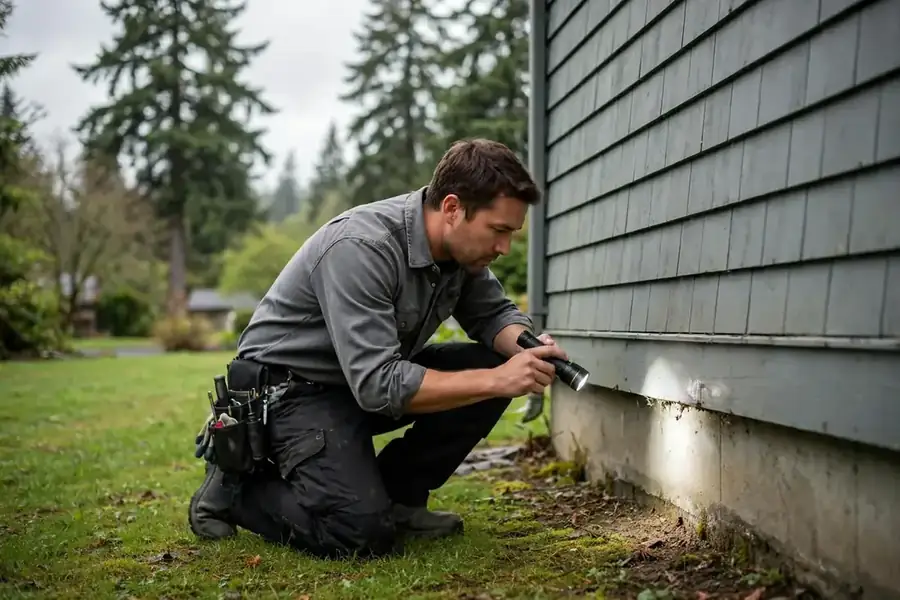
Every home visit follows the same complete sequence — find them, remove them, seal them out, and verify they stay out.
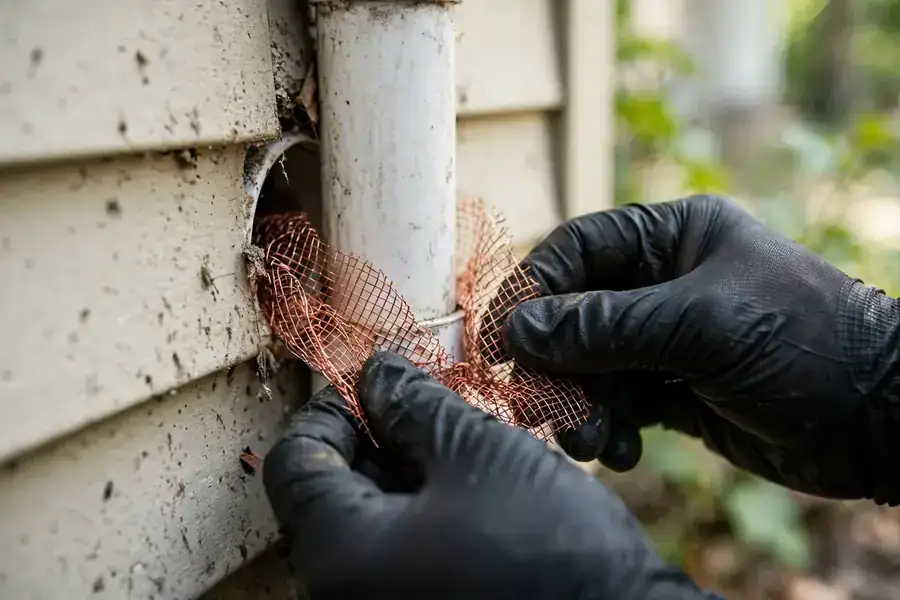
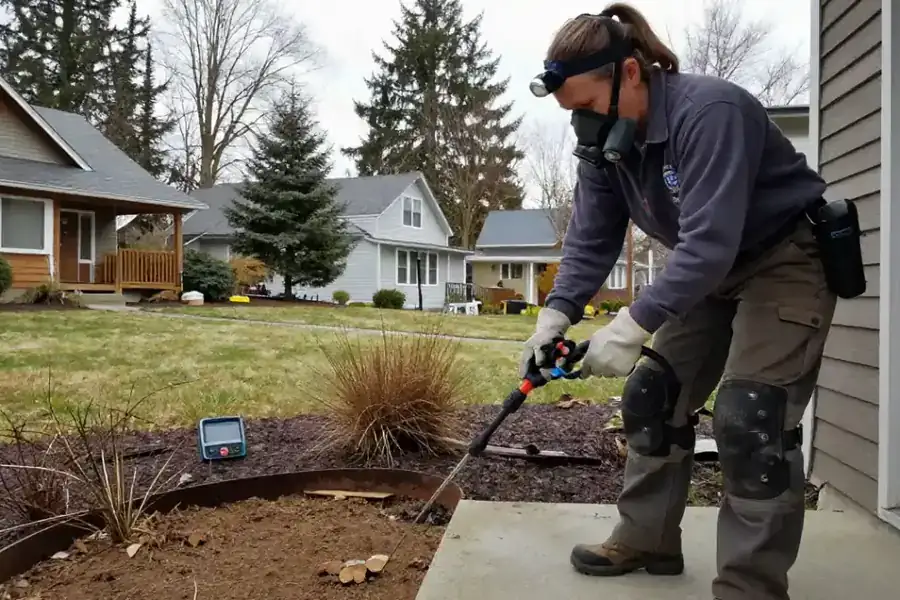
Homes are where rodents do their worst damage — chewed wiring behind walls, soiled attic insulation, and contaminated pantries. This service is built around living spaces, so every method we use is chosen with families, pets, and sleeping areas in mind.
Home-based businesses, rental units, and small offices get the same homeowner-grade care with business-friendly scheduling. We document everything so landlords and tenants stay on the same page.
Residential rodent control is the complete process of finding, removing, and permanently excluding rats and mice from a home. Unlike a one-time trap drop, it treats the house as a system — removing the current infestation and closing the entry points so it does not repeat.
Corvallis homes face heavy pressure every fall when cooling weather and the first rains push rodents out of fields and riverbanks toward warm houses. Older housing stock — 1920s bungalows, farmhouses on acreage, and college rentals near Oregon State University — often has the foundation gaps and crawl space openings rodents need.
A sealed home is a quiet home — every entry point we close is a future infestation that never happens.
Five steps, one goal: rodents out, entry points closed, and proof it worked.
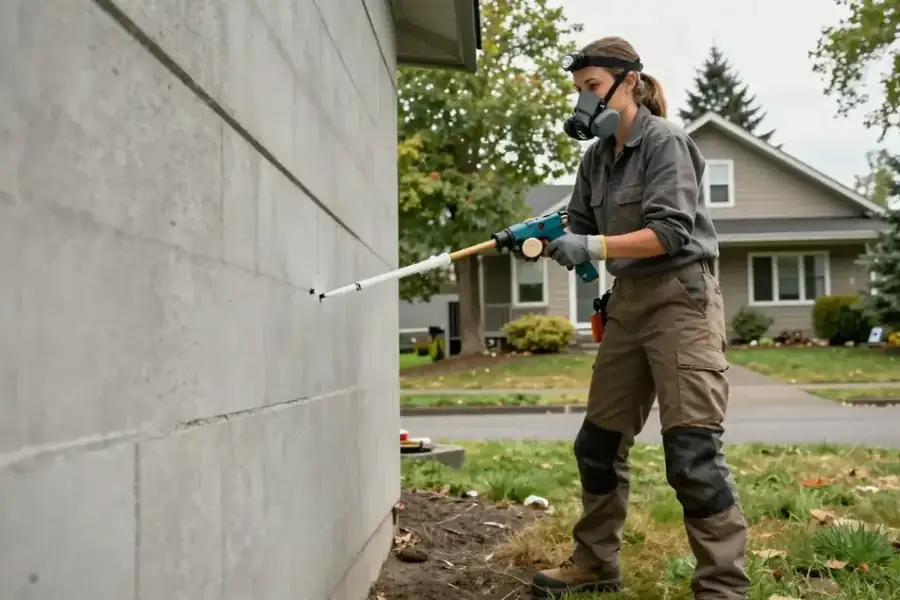
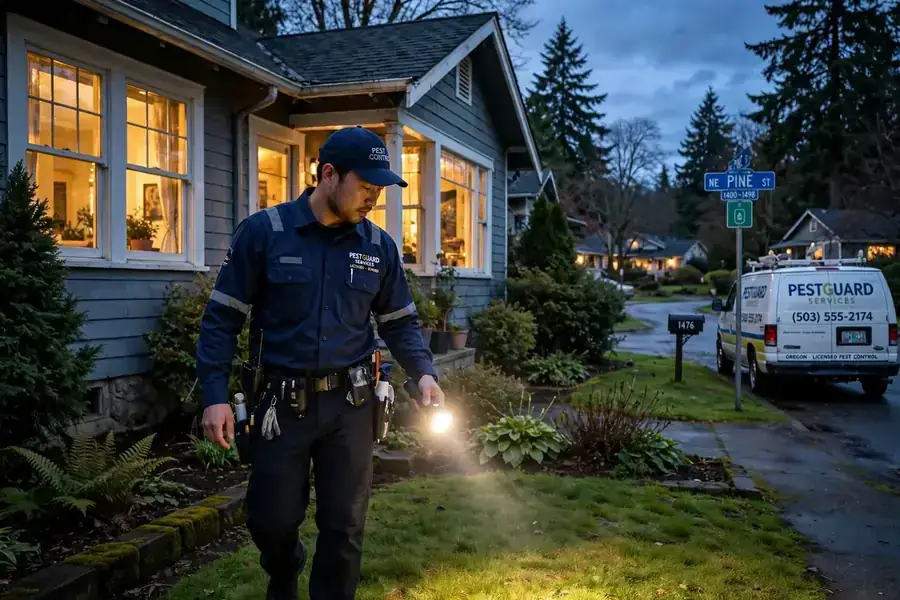
We ask what you have seen and heard — scratching sounds, droppings, chewed items — and when it started, so the inspection begins with a map of likely hot spots instead of guesswork.
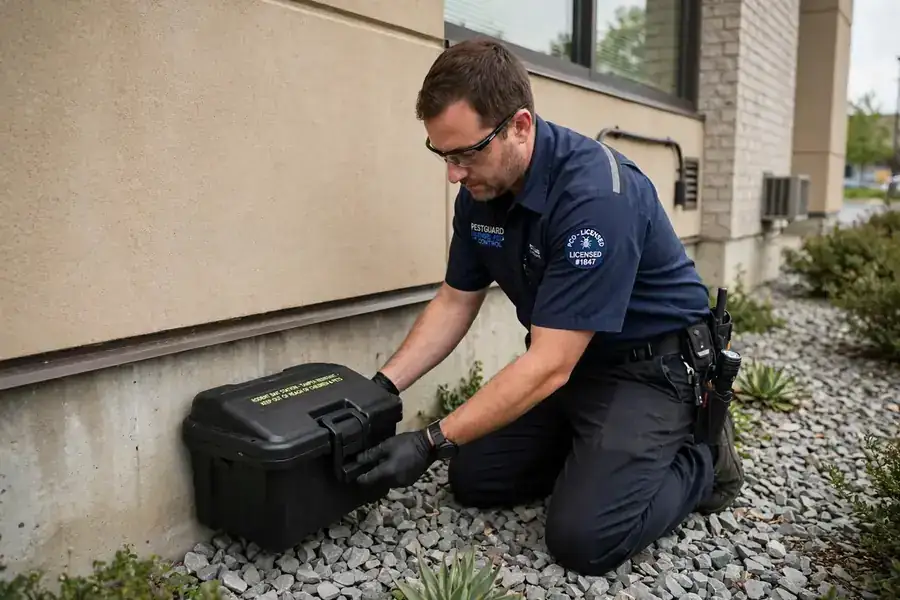
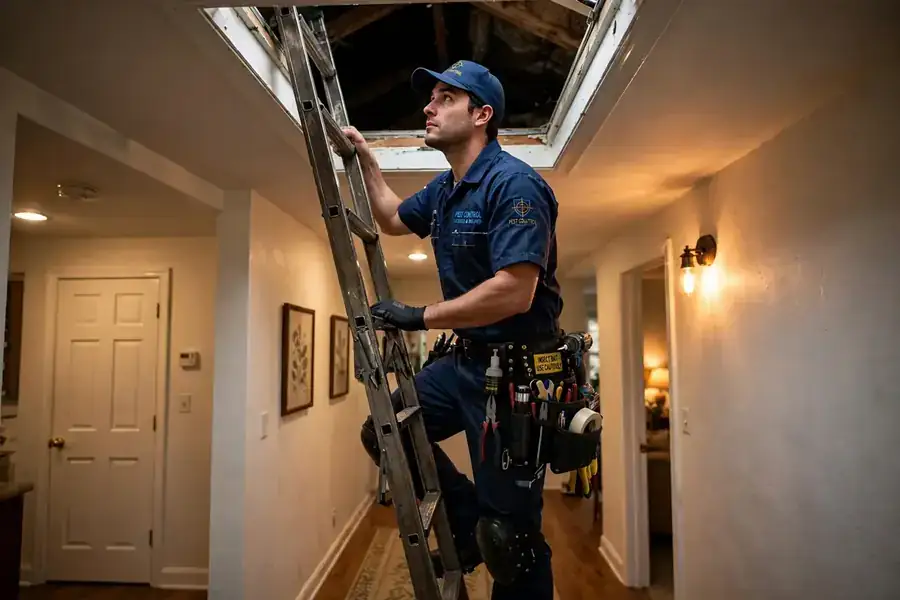
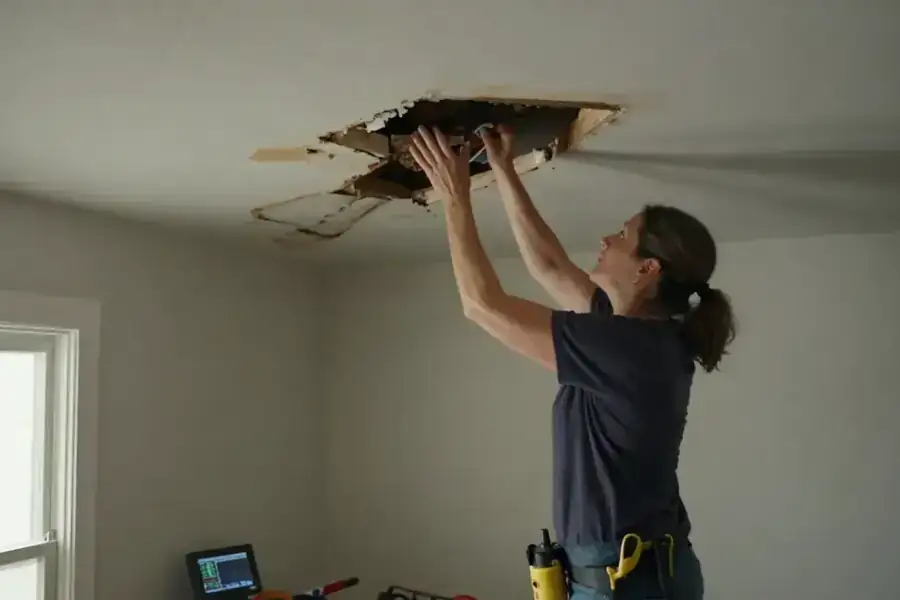
Attic, roofline, crawl space, garage, kitchen, and foundation exterior get a room-by-room check for droppings, gnaw marks, nesting material, and rub marks that reveal travel routes.
You get a written plan: which species we are dealing with, where traps and stations go, which entry points get sealed, and what it costs — before any work starts.
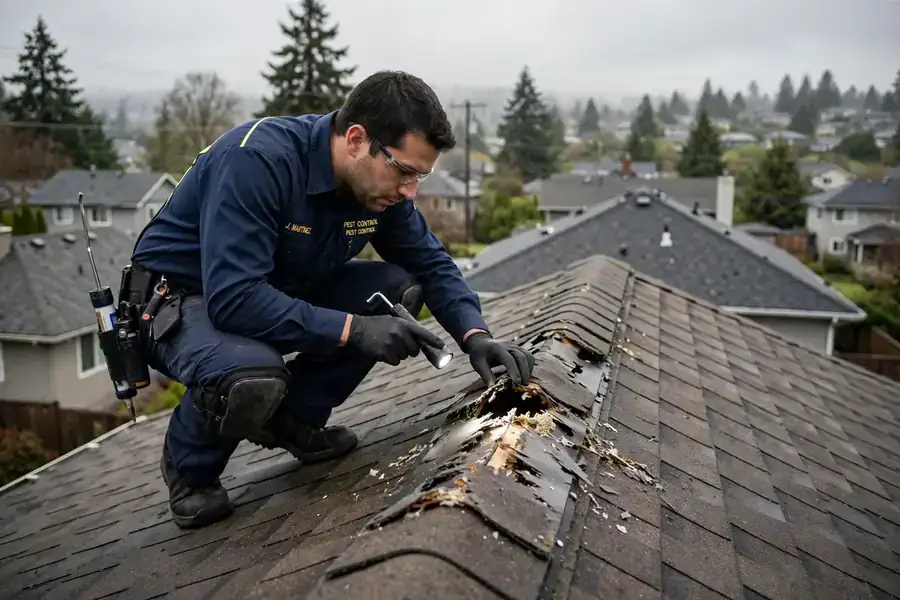
Traps and tamper-resistant stations go into active areas while copper mesh, flashing, and sealant close the gaps rodents used. Most homes see activity drop within the first week.
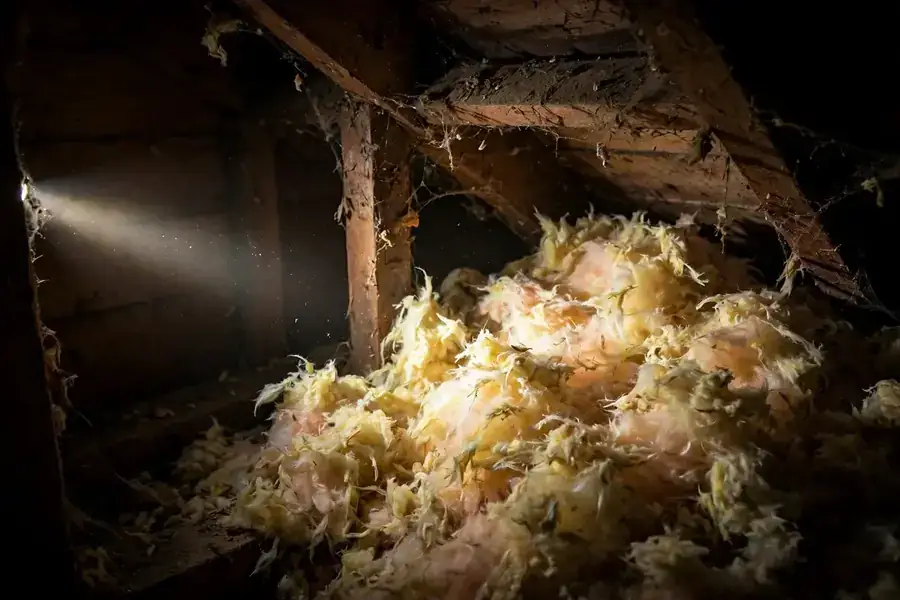
We return to confirm traps are empty and signs are gone, then walk you through a simple prevention checklist — yard, storage, and seasonal steps that protect the home year-round.
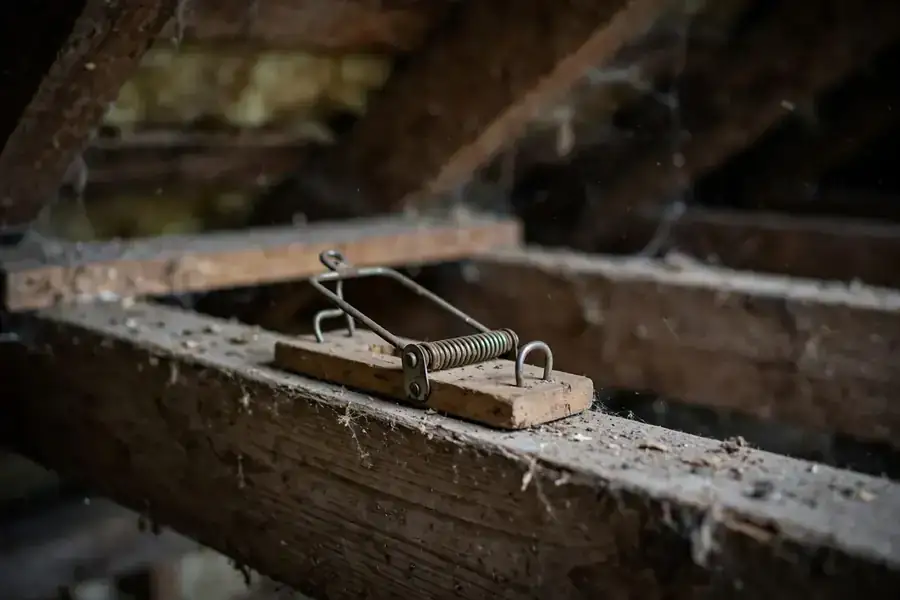
Fast, decisive traps placed along rodent runways in attics and crawl spaces — used only where pets and children cannot access them.
Locked, weighted exterior stations that hold rodenticide securely, keeping bait away from kids, pets, and wildlife.

Copper wool packed into gaps around pipes and foundations — rodents cannot chew through it and it will not rust in wet crawl spaces.
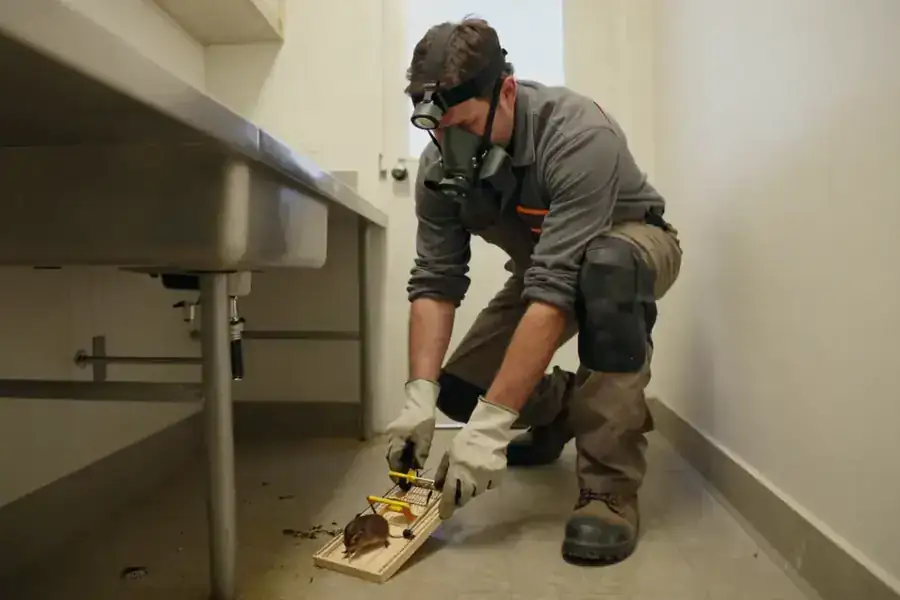
Brush-style sweeps that close the gap under exterior and garage doors, one of the most common residential entry points.
Galvanized mesh over foundation vents, dryer vents, and eave gaps that blocks entry while keeping airflow.
Flexible sealant that locks mesh and flashing in place and keeps Oregon rain from reopening sealed gaps.
Ultraviolet light that reveals dried urine trails on wood and concrete, showing us exactly where rodents travel at night.
A slim camera that looks inside wall voids and tight soffits, finding nests we would otherwise have to cut drywall to reach.
Nocturnal scratching in walls or ceilings usually means rats or mice are nesting in your home. We locate the nest, trap the colony, and seal the entry route they used.
Droppings in drawers, pantries, or along baseboards signal active foraging — a health risk for your family. We remove the rodents, advise on safe cleanup, and rodent-proof the kitchen.
Rodents move house to house, especially in dense neighborhoods and rental blocks. A preventive inspection and sealing now costs far less than a full infestation later.
Corvallis is not generic suburbia — the work has to fit the town. Wet winters drive rodents indoors from October through March, so we schedule sealing before the fall invasion peak. Older homes near downtown and around the OSU campus have stone foundations and aging crawl spaces that need careful, creative exclusion work. And because so many homes back onto fields, the Marys River, or wooded lots, we always treat the yard as part of the home's defense.
The homeowner heard scratching above the bedroom every night and found droppings in the pantry. Our inspection traced activity to a gap where the porch roof met the house.
Snap traps cleared the attic colony within two weeks, and we sealed the roofline gap plus three foundation openings with copper mesh and flashing.
Prevention tip: trim tree branches back from the roofline so roof rats lose their highway.
Norway rats were burrowing under the back porch and entering through a crawl space vent with a broken screen.
Burrow-area stations and crawl space trapping removed the population, then we screened every vent and installed a door sweep on the garage.
Prevention tip: store pet food in sealed metal bins — open bags are a dinner bell for rats.
Tenants reported mice in the kitchen drawers of both units, with droppings behind the stove and in the pantry.
Interior trapping cleared both units in two visits, and we sealed pipe chases under both sinks where mice were traveling between units.
Prevention tip: caulk the gaps around sink and stove pipes — mice follow plumbing like a map.
Rodents do not just annoy — they damage the house and endanger the people inside it.
Rats and mice gnaw constantly to wear down their teeth, and electrical wiring is a favorite target. Exposed wires behind walls and in attics can spark — removing rodents and sealing entry points eliminates the cause, not just the symptom.
Rodents tunnel through insulation, compressing it and fouling it with droppings and urine, which cuts its insulating power and leaves a lingering odor. After removal, we advise on which insulation must be replaced and which can stay.
Rodents spread salmonella and leptospirosis through droppings and urine on counters, in pantries, and inside stored food. Professional removal plus kitchen-focused exclusion keeps your family's food safe.
No more scratching in the walls at 2 a.m. Once the colony is out and the gaps are closed, your nights go back to normal — for good.
Every trap and station is placed with children and animals in mind, and bait stays locked in tamper-resistant stations — never loose in your living space.
Intact, uncontaminated insulation does its job again. Homes with rodent-damaged attics often waste heat all winter without knowing why.
Sealed entry points do not expire. Combined with your prevention checklist, the work keeps paying off through every future fall invasion season.
Clear records you can keep and share.
A room-by-room record of what we found — species, activity level, and every entry point mapped.
A diagram showing each sealed gap and the materials used, so you know exactly what was done.
Dates of every visit, trap results, and the warranty terms on our exclusion work in plain language.
Three things Corvallis homeowners usually wish they had known sooner.
Rodent calls surge when the first cold rains arrive, usually October through December. Booking your inspection in late summer means sealing happens before the rush — and before rodents move in.
A single unsealed opening can admit an entire colony over a season, because rodents follow scent trails left by earlier visitors. That is why we seal every gap we find, not just the obvious ones.
A few snap traps from the hardware store can catch individuals, but they do not find nests or close entry points. Without exclusion, new rodents simply replace the trapped ones.
If you're outside these neighborhoods, don't hesitate to reach out and ask. +14582640658
Most Corvallis homes land in the $180–$450 range for a complete job — inspection, trapping, entry-point sealing, and a follow-up visit. Larger homes or heavy infestations with extensive exclusion work can run higher, and we will quote the full price in writing before starting. No surprise add-ons mid-job.
Yes. We place snap traps only in attics, crawl spaces, and other areas your family cannot reach, and all rodenticide goes inside locked, tamper-resistant stations outdoors. We favor trapping and exclusion over chemicals indoors, and we will walk you through every placement so you know exactly where everything is.
Most homes see activity drop sharply within the first week of trapping, with full removal typically complete in two to three weeks. Sealing entry points happens alongside trapping, so new rodents cannot move in mid-job. Your follow-up visit confirms the house is clear before we close the case.
Listen for scratching or scurrying in walls and ceilings at night, and look for dark droppings in drawers, along baseboards, and behind appliances. Gnaw marks on food packaging, rub marks along walls, and a musky odor in the attic or crawl space are other classic signs. If you spot any of these, book an inspection — early action keeps the job small.
Our exclusion work — the sealing of entry points — is warrantied, and your follow-up visit verifies the current infestation is fully resolved. No company can promise a home stays rodent-free forever, since new gaps can open over time, but the prevention checklist we leave you with keeps the risk low year after year.
Call (458) 264-0658 today for residential rodent control in Corvallis, OR. We will inspect your home, remove every rodent, and seal the entry points — usually within two weeks.
We invite you to reach out for any rodent control needs. Our team is available Monday through Friday, with quick response times to your inquiries.