Rodent Control in Peoria, OR

Corvallis Rodent Shield provides rodent control in Peoria, OR, the small farming community on the Willamette River south of Corvallis. Farmsteads here face a double load — riverbank Norway rats and barn-sheltered mouse colonies — so our service treats the whole property, buildings and bank alike.

  • Address209 SW 6th St, Corvallis, OR 97333, USA, Corvallis, Oregon
  • Phone+14582640658
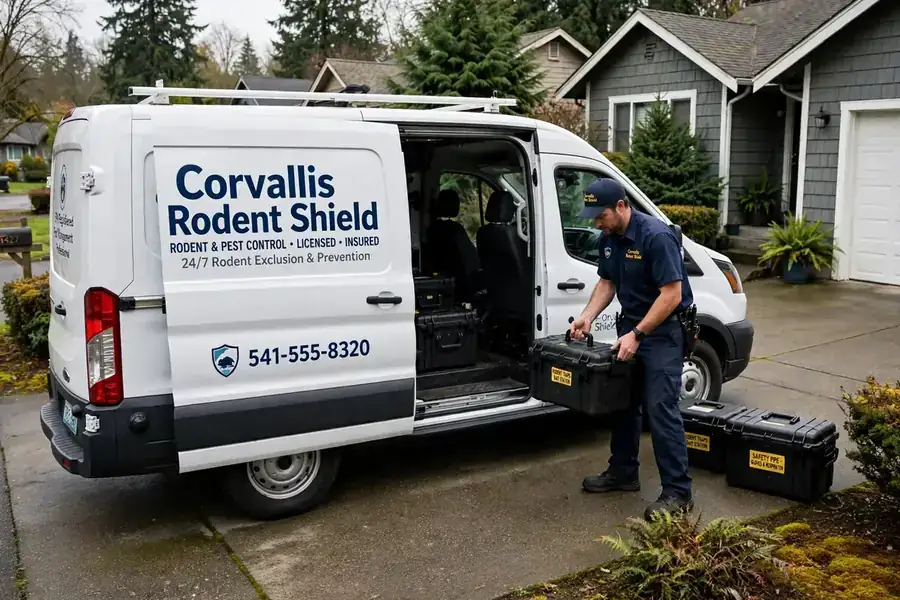
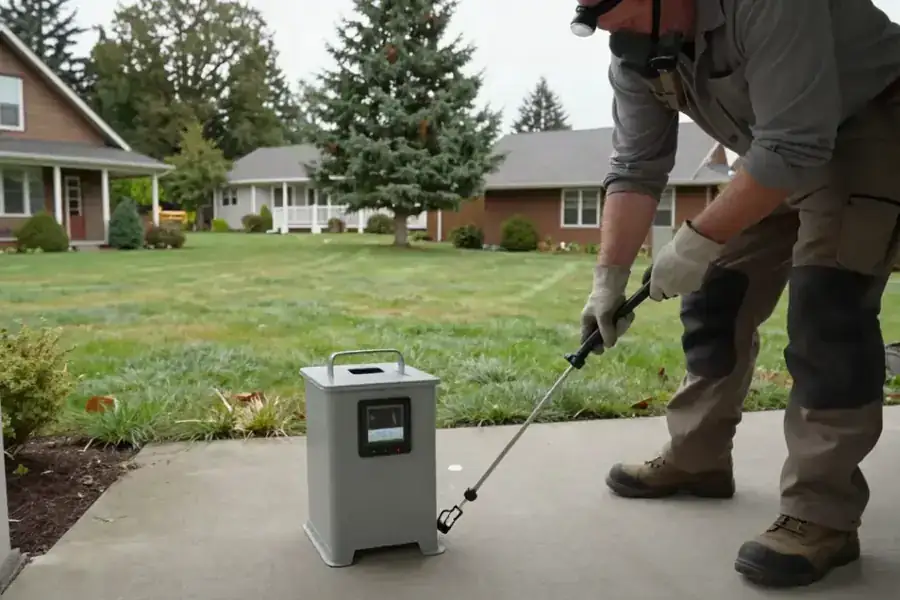
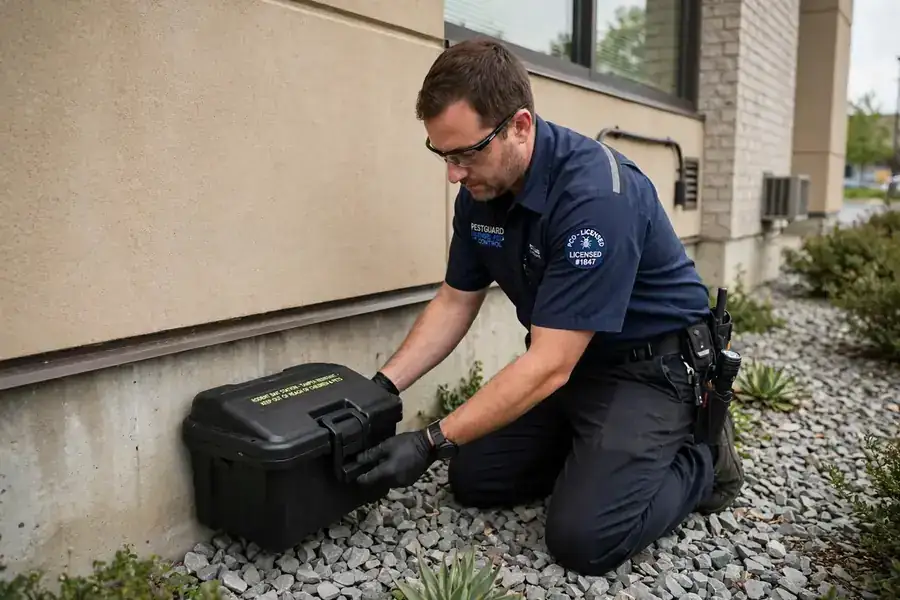
Technician checking a rodent station beside a Peoria barn

Serving Peoria and nearby

  • Comprehensive property assessmentsWe inspect every part of your home.
  • Tailored pest management plansSolutions are customized to your needs.
  • Follow-up inspectionsWe ensure the effectiveness of our services.
  • Transparent communicationYou'll be informed at every step.

Rodent Control in Peoria, Backed by Local Knowledge

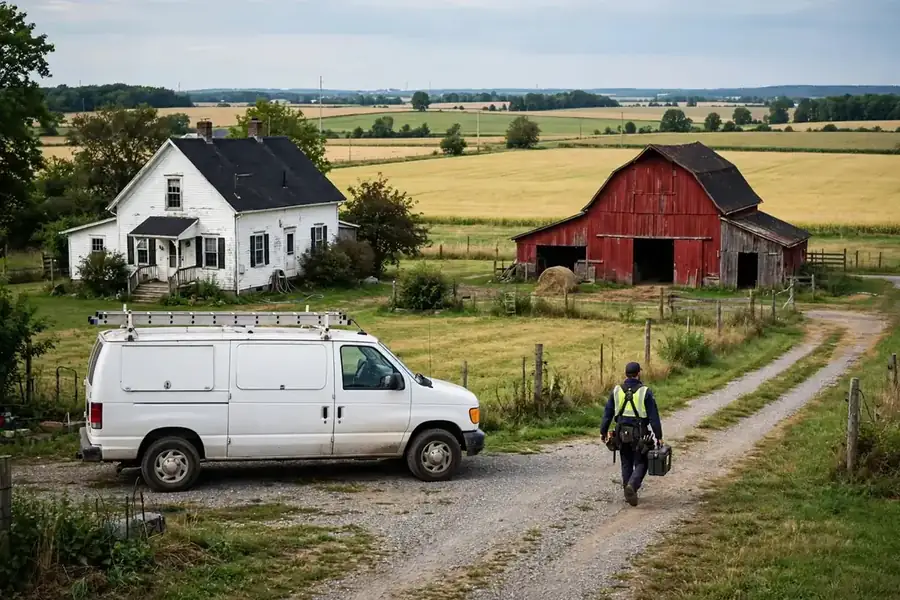
Peoria is a tiny farming community on the Willamette River's right bank — barely a hundred residents, a cluster of houses, and Linn County's Peoria Park along Peoria Road. This is barn-and-outbuilding country: grain farming shaped the land, the river shapes the rodent pressure, and Norway rats travel the riparian corridor straight into farmyards. The historic town of Burlington, a mile downriver, reminds visitors how long agriculture has anchored this stretch. With so few buildings and so much farmland, our Peoria service is built for farmsteads — whole-property work that treats barns, sheds, and houses as one connected system.

Peoria is a farming community in the truest sense: barns, equipment sheds, and grain-era outbuildings outnumber the houses, and nearly every property stores feed or machinery that draws rodents. The homes themselves range from century-old farmhouses to modest rural builds, many with vented crawl spaces and original outbuildings. Because the community is so small, there is no commercial pest pressure — the entire rodent equation is agricultural and riparian. Our Peoria work therefore centers on farmsteads: barns and outbuildings sealed alongside the house, with riverbank burrows treated as part of the same system.

Willamette River at Peoria with farmland along the bank

Rodent Control Services Available in Peoria

Each service below is available in Peoria, scaled for farmsteads on the Willamette. Choose the service that fits, or start with a full-farmstead assessment.

How Our Service Works in Peoria

Technician inspecting a Peoria farmstead's house and barn

Rodent Inspection and Assessment in Peoria

A Peoria inspection walks the whole farmstead. We check the riverbank for burrow lines, inspect every barn and shed, then survey the house — attic, crawl space, wall voids — for droppings and nesting. The written photo report prices a building-by-building plan so you can see where the pressure comes from and what each fix costs.

  • Full-farmstead walk: house, barns, sheds, riverbank, field edges
  • Interior survey of attic, crawl space, and wall voids
  • Written photo report with a building-by-building plan
Peoria farmhouse with red barn and Willamette River nearby

For Homes in Peoria

Peoria homes come with barns, and the barns come with rodents. Our residential work treats the farmstead as one system — house, outbuildings, and riverbank together.

  • Century-old farmhouses with original barns and equipment sheds
  • Riverside homes on the Willamette's right bank with burrow pressure
  • Modest rural homes along Peoria Road with vented crawl spaces
  • Farmsteads with grain-era outbuildings still in daily use
Peoria-area farm with barns and outbuildings service zone

For Businesses in Peoria

Peoria's businesses are working farms, and rodents threaten stored grain, equipment wiring, and seasonal housing alike. We build farm-practical programs that protect the operation without slowing harvest season.

  • Family farms storing grain, hay, and equipment in barns
  • Orchard and row-crop operations with seasonal labor housing
  • Farm stands and direct-market operations with produce storage
  • Rural contractors with equipment yards along Peoria Road

Common Rodent Problems in Peoria

River on one side, farmland everywhere else — Peoria's rodent problems are farmstead problems. These four lead our calls.

  • Norway rat burrows along the Willamette River bank near Peoria

    Riverbank Burrow Systems

    The Willamette's right bank at Peoria is prime Norway rat burrowing ground — soft riparian soil, water, and cover. Tunnel systems run from the bank into farmyards, undermining porch footings and giving rats routes into barns and crawl spaces. We treat the bank-side burrow lines from the exterior, then screen the building foundations — the sequence that actually holds against riverside pressure.

  • Deer mice nesting in stored hay inside a Peoria barn

    Barn-Sheltered Mouse Colonies

    Peoria's barns shelter some of the densest deer mouse populations in Linn County — hay bales, feed sacks, and equipment offer nesting and food in one place. The mice migrate nightly into farmhouse kitchens, and their droppings can carry hantavirus, making barn cleanups a professional job. We clear the barns, rodent-proof the structures, and set the storage practices that break the barn-to-house pipeline.

  • Original foundation gaps on a Peoria century-old farmhouse

    Century Farmhouse Gaps

    Peoria's century-old farmhouses were built for a different era: fieldstone foundations, original crawl spaces, and a lifetime of additions, each leaving gaps. Rodents travel these buildings vertically, from dirt-floor basements to attics. Our farmhouse inspections map the full vertical route and seal it level by level with materials suited to old masonry.

  • Grain-era outbuilding on a Peoria farm with rodent entry points

    Grain-Era Outbuildings

    Grain-era outbuildings — the descendants of Peoria's 1870s warehouse days — still stand on many properties, and rodents love them: original siding gaps, dirt floors, and decades of stored material. Treating the house while these buildings stay open guarantees reinfestation. We seal the outbuildings as part of every farmstead plan, bringing even historic structures up to exclusion standard.

Signs You Need Rodent Control in Peoria

On a farmstead, the first signs show up in the barns. Spot them there and the house stays clean.

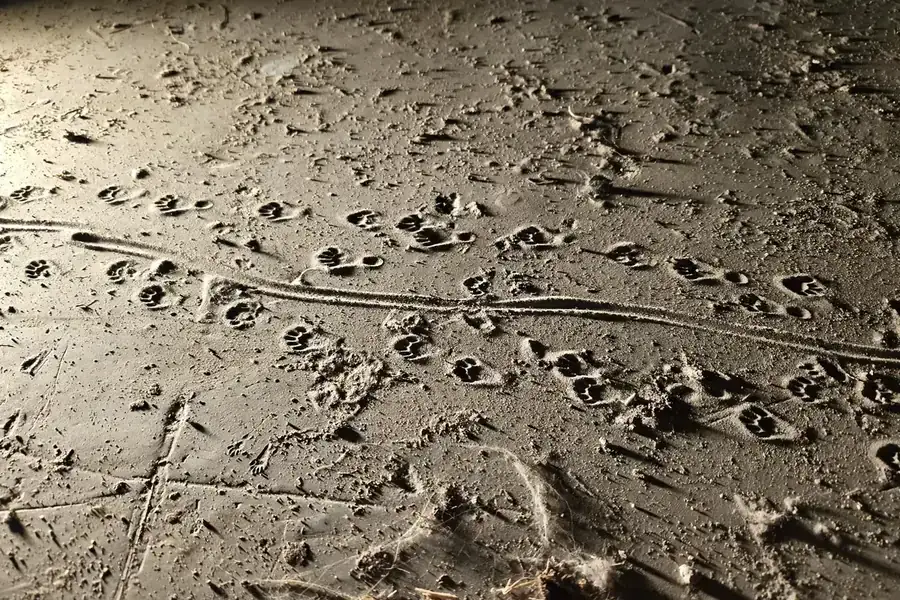
Norway rat burrow openings along a Peoria farm's riverbank
  • Droppings in barns or the pantry

    Droppings in the barn, the feed room, or the farmhouse pantry mean mice are living in the buildings — and moving between them nightly. Treat the farmstead as one system.

  • Night scratching in the house

    Scratching in walls or ceilings after dark means rodents have moved from the outbuildings into the house. On a farmstead, check the barns first.

  • Gnawed feed sacks or grain bins

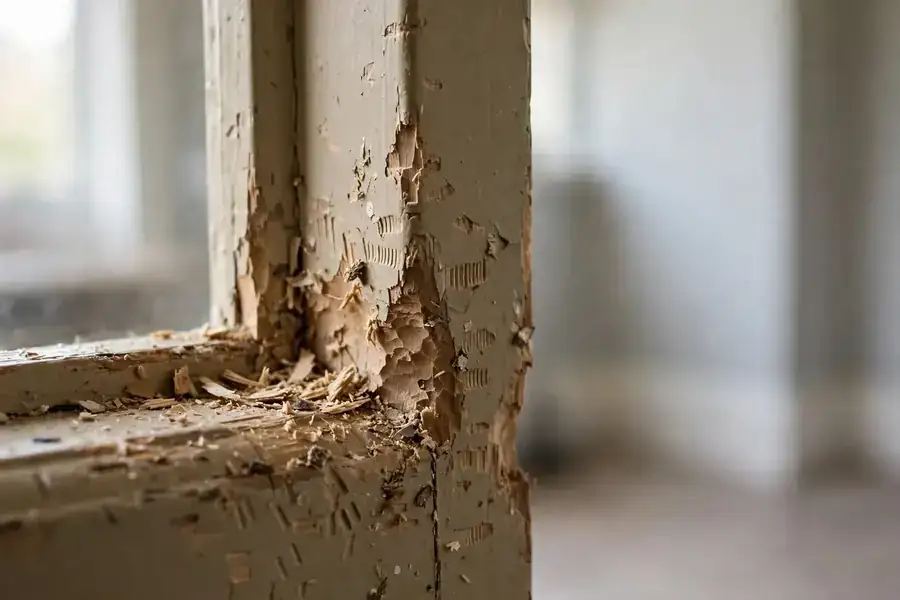
    Fresh chew marks on feed sacks, grain bins, or wiring show active feeding. Farm rodents gnaw constantly, so new damage means a current population.

  • Fresh tunnels near the riverbank

    Fresh tunnels along the riverbank, barn slabs, or foundation lines are active Norway rat burrows. Tunneling near a building means entry is happening or about to.

  • Nests in hay bales or stored boxes

    Shredded hay, paper, or fabric packed into bales, boxes, or wall voids means breeding is underway. Barn nests seed the farmhouse — clear both together.

How Rodent Control Is Executed in Peoria

River, barns, and century-old farmhouses shape every Peoria job. These five factors set the sequence of the work.

  • Exterior-first riverbank treatment

    Bank-side burrow lines are treated from the exterior before any interior sealing begins. This order is critical — sealing the house first traps rats in their tunnels and forces new digging.

  • Barn and shed exclusion standard

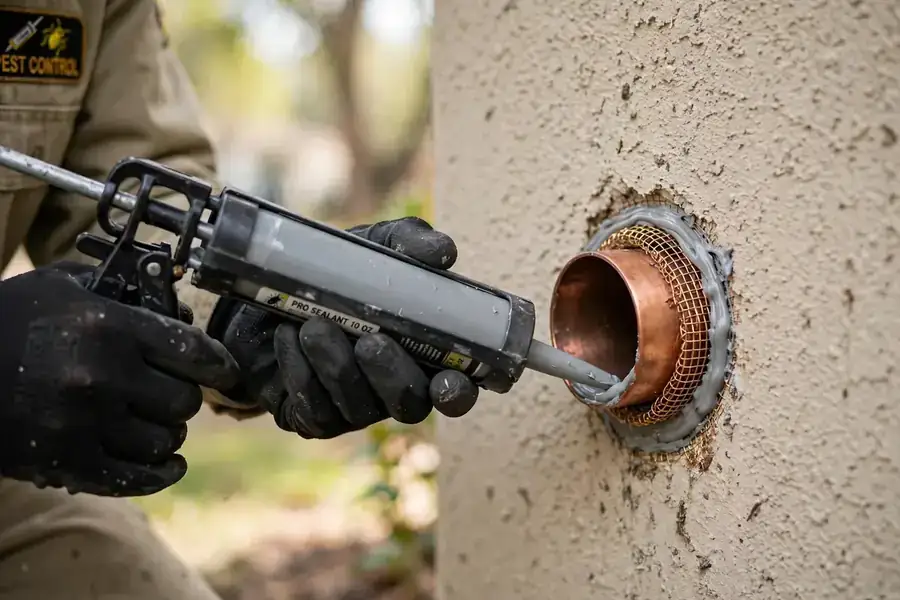
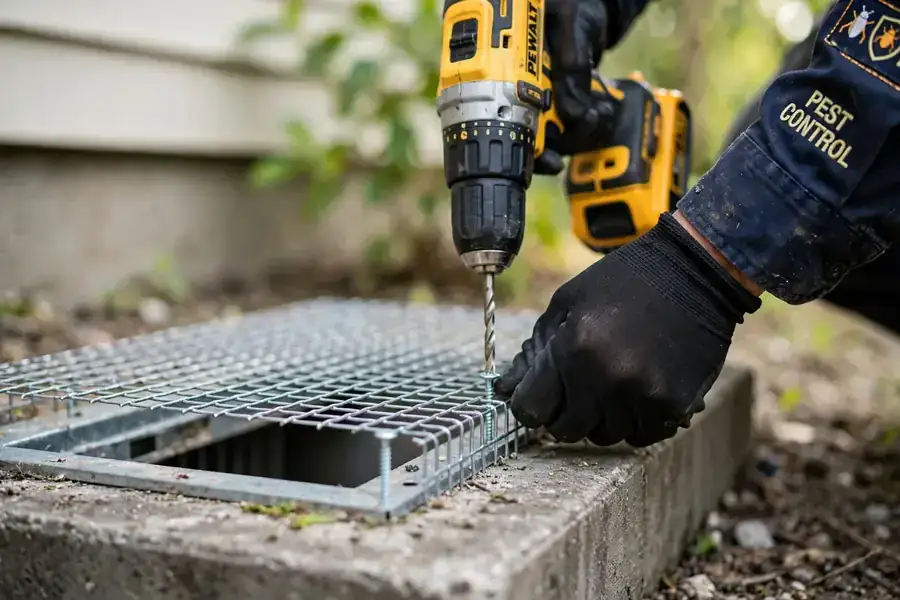
    Barns and sheds are sealed with metal flashing and mesh as a standard part of every farmstead plan. Outbuilding exclusion is what breaks the barn-to-house pipeline.

  • Feed and grain storage security

    Feed rooms, grain bins, and hay storage are secured against nesting and contamination. On a working farm, storage practices do as much as trapping — we set them with you.

  • Farmhouse vertical sealing

    Century farmhouses get level-by-level sealing: dirt-floor basements, crawl spaces, wall voids, and attics. Old masonry needs old-masonry materials — we match the fix to the building.

  • Pre-fall farmstead timing

    We schedule most Peoria exclusion for late summer, ahead of the fall push from fields and riverbanks. Farmsteads sealed by September enter winter quiet.

Landmarks We Navigate By in Peoria

Peoria's landmarks are river, road, and farm history — each one explains part of the rodent picture here.

  • Willamette River

    The river at mile 141 borders Peoria's west side and carries Norway rats along its banks — every riverside farmstead gets bank-aware treatment as standard.

  • Peoria Park

    Linn County's park on Peoria Road concentrates riverside recreation and the rodent pressure that comes with it; nearby properties get perimeter attention tied to the park.

  • Peoria Road

    This single road defines the community — a cluster of houses and the county park along it — and our technicians sequence every Peoria job along its corridor.

  • Historic Burlington

    The ghost town a mile downriver marks where the river ferry once ran; its story reminds us how long this stretch's riverbanks have shaped local rodent ecology.

  • Oregon Route 34

    The highway eight miles north is Peoria's link to Corvallis and Albany; we note its corridor pressure on the farmsteads nearest the interchange side.

  • Shedd and Halsey rail line

    The historic rail corridor east of Peoria once diverted the town's grain trade; today its field edges add farm-side rodent pressure to the community's eastern farms.

Areas We Serve in Peoria

Peoria is one road, one river, and a patchwork of farms. We serve the whole community with farmstead-scale plans.

  • Peoria Road corridor — the community's homes and the county park
  • Riverside farmsteads — properties on the Willamette's right bank
  • East-side farmland — grain and row-crop operations toward Shedd
  • South toward Harrisburg — farmsteads along the river road

Recent Results in Peoria

  • Riverbank Burrows Cut Off

    Before

    A riverside farmstead had Norway rats tunneling from the bank into the barn and undermining a porch footing.

    After

    We treated the burrow lines, screened the foundation, and set a riverside station line — the digging stopped within two weeks.

  • Barn-to-House Mouse Run Ended

    Before

    A family farm had deer mice nesting in stored hay and migrating into the farmhouse kitchen each night.

    After

    After clearing and proofing the barn and the house together, the owner reports clean feed rooms for two seasons.

  • Century Farmhouse Sealed Top to Bottom

    Before

    A century-old farmhouse showed mouse droppings in every closet and nesting in the crawl space insulation.

    After

    We sealed the crawl space, replaced the damaged vapor barrier, and the farmhouse has stayed quiet since.

How Seasons Affect Rodent Control in Peoria

  • Spring

    Spring floods and high water push riverbank rats toward higher ground — straight into Peoria farmyards. We check bank-side burrows and repair winter damage to seals before the population spreads.

  • Summer

    Harvest season fills barns with grain and hay, drawing mice in large numbers. Summer work centers on securing feed storage and setting the barn practices that limit nesting.

  • Fall

    Cooling weather sends barn and field rodents toward every warm structure on the farmstead. Fall is when whole-property exclusion proves its worth — sealed buildings stay quiet through winter.

  • Winter

    Colonies established in barns and houses breed through winter in the warm, food-rich environment. Winter jobs mean trapping across buildings and tracing the entries the fall wave used.

Nearby Areas Served by Corvallis Rodent Shield

Questions to Ask Before Hiring Rodent Control in Peoria

Farmstead properties need farmstead questions. Ask these before hiring anyone in Peoria.

  • What should a Peoria inspection include?

    It covers the farmstead: house, barns, sheds, riverbank, and field edges. If an inspector only walks the house, they're pricing half the problem.

  • Is exclusion practical on a working farm?

    Only as part of a farmstead plan. Excluding the house while the barn breeds mice is the classic rural mistake — ask that every building be covered.

  • How do you work around farm animals?

    In tamper-resistant housings, mapped around livestock, poultry, and working dogs. Ask for the placement map — farm properties need it in writing.

  • Why is the pressure here year-round?

    The river supplies Norway rats and the barns supply mice, year-round. Ask how the plan addresses both sources — a house-only answer misses the point.

  • What proof of work should I get?

    Photos of every sealed point on every building, and a written warranty covering them all. Farmstead work without documentation isn't finished work.

FAQs About Rodent Control in Peoria

Answers to common questions about rodent control in Peoria.

Still wondering? +14582640658

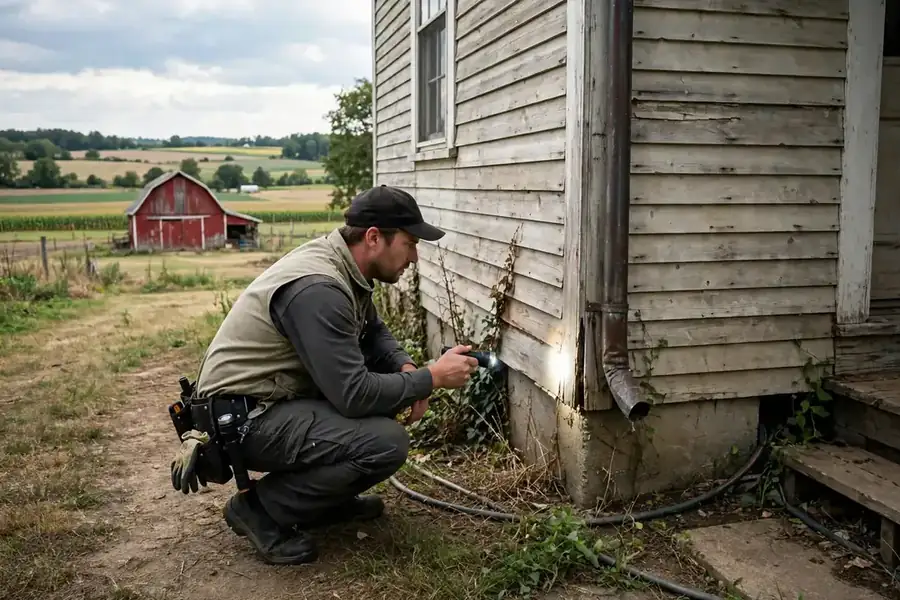
Technician inspecting a barn foundation on a Peoria farmstead

Rodent Control for Peoria, OR

Riverbank burrows, barn colonies, and century-old farmhouses — Peoria's rodent work is farmstead work, and we do it right. Call (458) 264-0658 for a free farmstead inspection.

Get in Touch with Us

We invite you to reach out for any rodent control needs. Our team is available Monday through Friday, with quick response times to your inquiries.