Rodent Control in Albany, OR

Corvallis Rodent Shield delivers rodent control in Albany, OR for homes, rentals, and businesses across Linn County's largest city. From Monteith-district Victorians to downtown restaurants, we combine thorough inspections with permanent exclusion that fits the building.

  • Address209 SW 6th St, Corvallis, OR 97333, USA, Corvallis, Oregon
  • Phone+14582640658
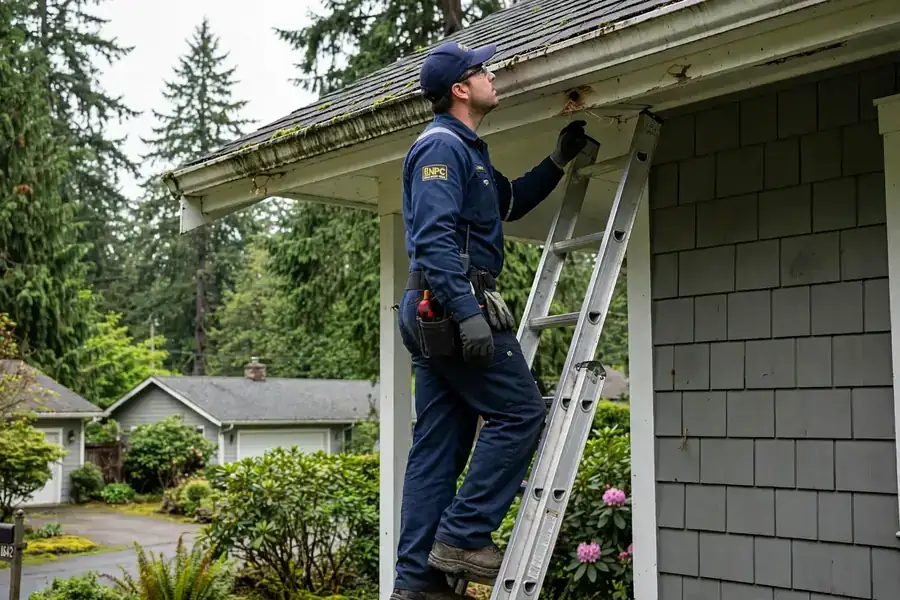
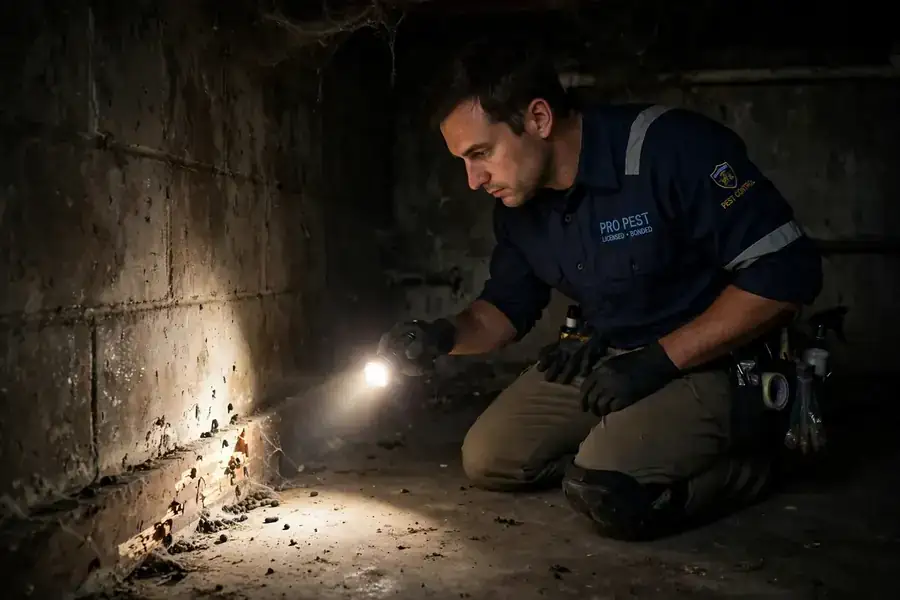
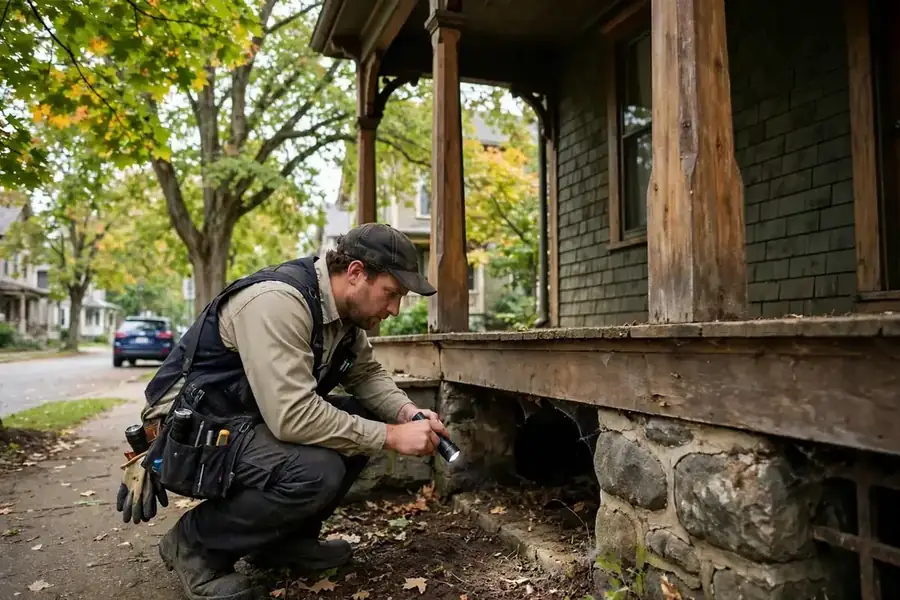
Rodent control technician inspecting a historic Albany home's foundation

Serving Albany and nearby

  • Comprehensive property assessmentsWe inspect every part of your home.
  • Tailored pest management plansSolutions are customized to your needs.
  • Follow-up inspectionsWe ensure the effectiveness of our services.
  • Transparent communicationYou'll be informed at every step.

Rodent Control in Albany, Backed by Local Knowledge

Albany is the largest city in the immediate area, anchored by a historic downtown and the Willamette River, and rodent pressure here looks different than in any surrounding town. Century-old housing near the Monteith Historic District offers endless entry points, while the downtown restaurant row concentrates food waste that feeds Norway rats. The Calapooia River meets the Willamette at Monteith Riverpark, creating riverside harborage inside the city limits. Because the city is dense and layered, our Albany work pairs building-specific inspections with neighborhood-level context.

Albany's older stock includes 1880s–1920s homes in the Monteith Historic District, where balloon framing and stone foundations give rodents easy vertical travel. The downtown commercial core brings a different profile: shared walls, alley dumpsters, and basement restaurants that demand coordinated programs. North of the river the picture changes again — but in the city proper, expect a blend of historic gaps and modern dense-neighborhood pressure that rewards systematic inspection over guesswork.

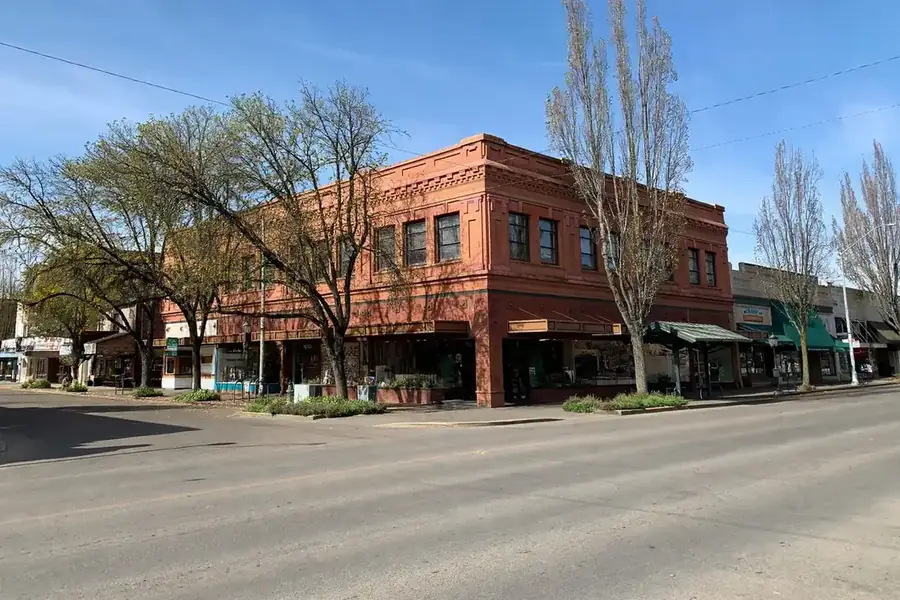
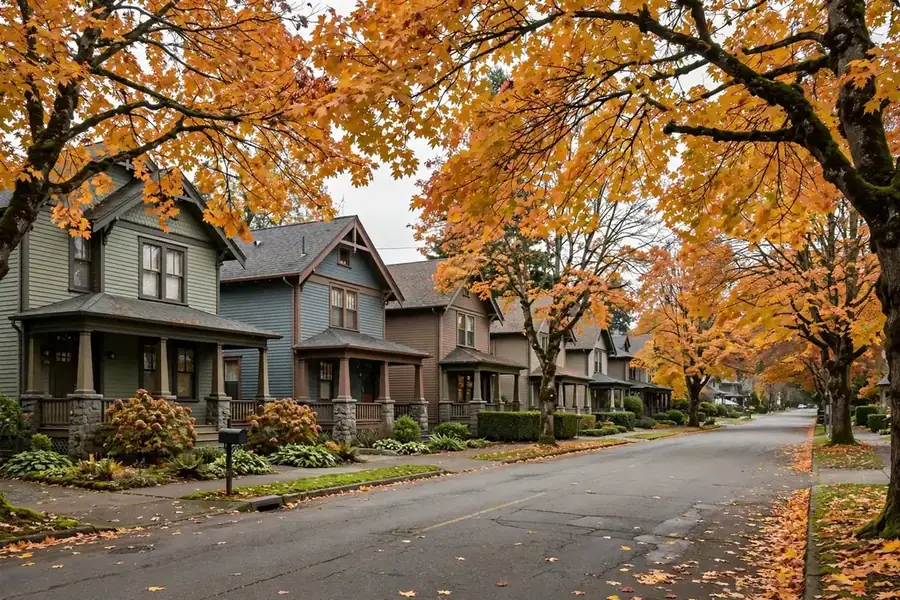
Historic downtown Albany streetscape along the Willamette River

Rodent Control Services Available in Albany

Each service below is available across Albany, from the historic districts to the commercial corridors. Start with an assessment or choose the service that matches your situation.

How Our Service Works in Albany

Technician inspecting an attic in an Albany historic home with a flashlight

Rodent Inspection and Assessment in Albany

Albany inspections run longer than suburban ones because the buildings do — century-old framing, layered additions, shared walls, and basement commercial spaces all need a look. We spend 60–90 minutes mapping the structure before proposing anything. What you receive is a written, photo-backed report, not a verbal guess.

  • Full-envelope survey: foundation, wall voids, attic, roofline, and alleys
  • Photo documentation of every entry point, dropping zone, and damage site
  • Written plan with prioritized fixes and exact pricing
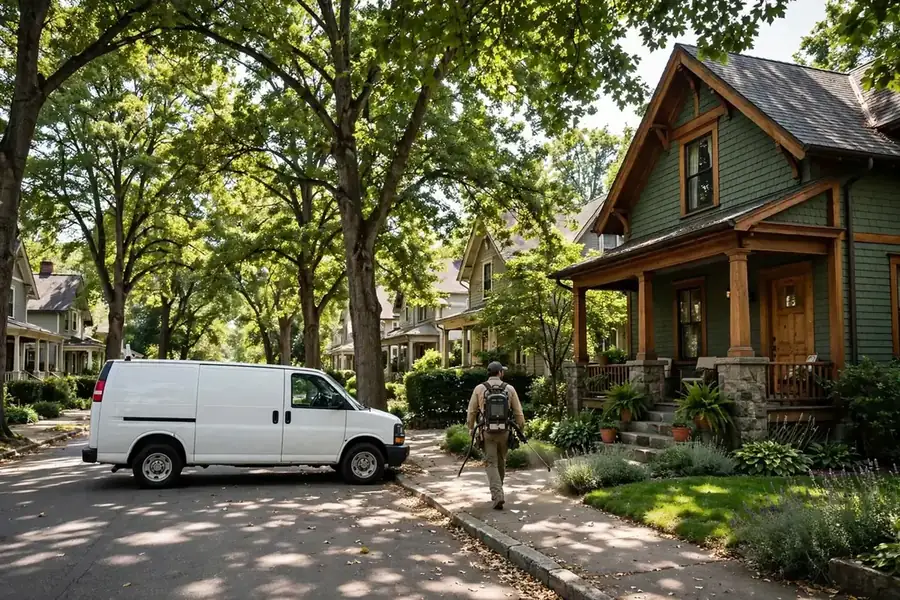
Albany residential street with historic Craftsman and Victorian homes

For Homes in Albany

Albany homes range from 19th-century Victorians to postwar ranches, and the rodent approach changes with the era. We match the strategy to the building — not the other way around.

  • Monteith and Hackleman district Victorians with balloon framing and old foundations
  • Mid-century split-levels and ranches near Timber-Linn Memorial Park
  • Riverside homes backing onto the Willamette corridor
  • Duplexes and rental properties with shared wall voids
Downtown Albany storefront in the historic district service area

For Businesses in Albany

Downtown Albany's shared walls and alleyways mean one property's rat problem quickly becomes the block's problem. We run documented, audit-friendly commercial programs that protect food service, retail, and office clients without drama.

  • Historic downtown restaurants and cafés with basement storage and shared walls
  • Heritage Mall-area retailers and grocery stores needing audit-ready programs
  • Timber-Linn Memorial Park event vendors managing seasonal food waste
  • Hotels and offices along the Highway 20 and I-5 corridors with loading docks

Common Rodent Problems in Albany

As Linn County's largest city, Albany concentrates every rodent challenge the valley offers — old buildings, dense blocks, and river frontage. These four dominate our calls.

  • Historic Albany home foundation showing gaps rats use to enter

    Century-Home Entry Points

    Albany's 1880s–1920s homes have stone foundations, balloon-framed walls, and a century of additions — each renovation left a gap somewhere. Rodents travel vertically inside these walls, nesting between floors where nobody looks. Our historic-home inspections start at the foundation and trace upward, sealing the layered entries with materials that suit the building.

  • Restaurant alley in downtown Albany where Norway rats travel at night

    Downtown Restaurant Alley Rats

    Downtown Albany's restaurant row concentrates food waste in shared alleys, and Norway rats commute along those same alleys nightly. Basement storage rooms with ground-level doors give them direct indoor access. Commercial jobs here require building-by-building exclusion plus alley-level monitoring, since the rats belong to the block, not one tenant.

  • Duplex with shared wall voids where mice travel between units in Albany

    Multi-Unit Mouse Movement

    Albany's rental stock includes many duplexes and older multi-unit buildings with shared wall voids and connected crawl spaces. Mice move freely between units, so treating one side just pushes them next door. We inspect the full building, treat it as one structure, and give landlords a plan that covers every unit.

  • Willamette River bank with rat burrows near Albany homes

    Riverside Burrow Systems

    Homes along the Willamette's Albany banks deal with Norway rat burrow systems in the riparian zone. The rats den in the bank, then commute across yards into crawl spaces and garages. We map burrow lines along the bank, treat the exterior system, and screen the house from the outside in — the only order that holds.

Signs You Need Rodent Control in Albany

In a dense city, early signs save you from a block-level problem. Watch for these five.

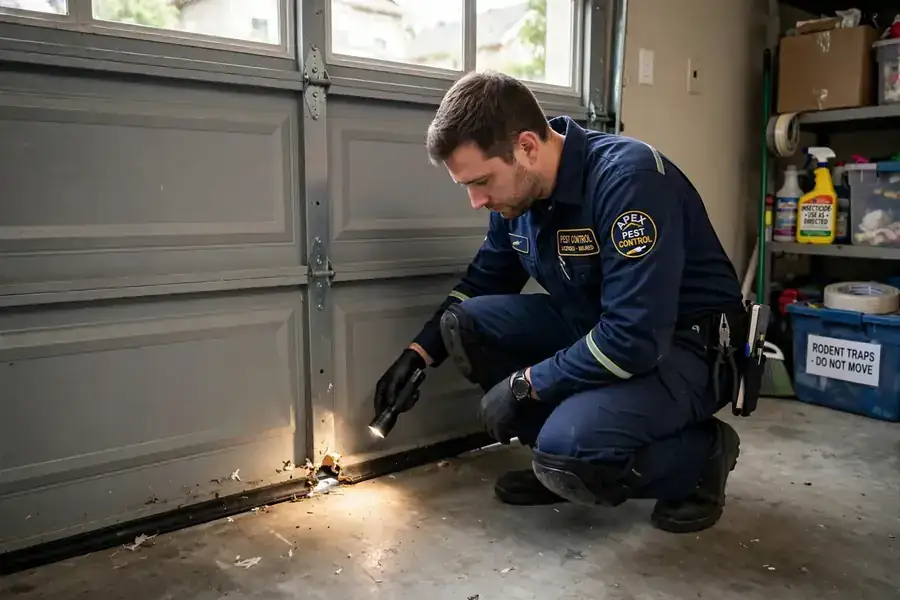
Gnawed door frame and rub marks in an Albany commercial stock room
  • Night noises in walls or ceilings

    If you hear movement in walls or ceilings at night, rodents are traveling inside the structure. In Albany's shared-wall buildings, that sound can carry from the unit next door.

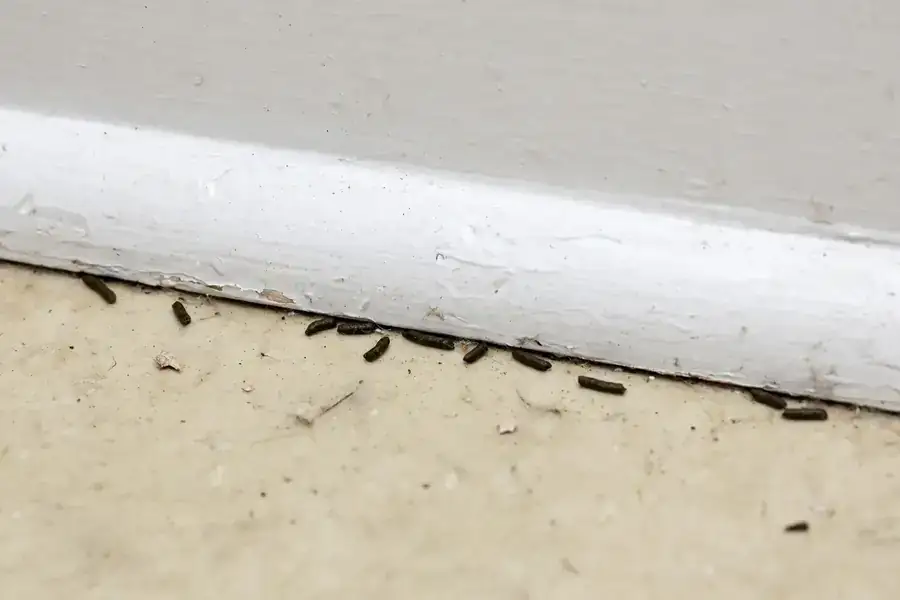
  • Droppings near stored food

    Droppings behind restaurant shelving, in pantries, or along basement walls mean an established route. Don't sweep them up and hope — call for removal and sanitation guidance.

  • Chewed door frames or wiring

    Fresh gnawing on door sweeps, stock-room boxes, or wiring is a live-infestation marker. Rodents gnaw constantly, so new marks mean active feeding, not old damage.

  • Oily trails along walls

    Dark smudge trails along baseboards, pipes, or alley-side foundations show a rat highway in regular use. These marks tell us exactly where to place traps and seal entries.

  • Ammonia-like odor in storage areas

    A musty, ammonia-like smell in a basement or storage room often means a large mouse colony is nesting nearby. The odor grows with the population — treat it as a colony signal.

How Rodent Control Is Executed in Albany

Albany's density and building age change how rodent work is done. These five factors shape every job plan in the city proper.

  • Alley and shared-wall coordination

    Downtown buildings get alley-side door seals, waste-room screening, and exterior monitoring lines, because the rat population belongs to the block. We coordinate with adjacent tenants when shared entries are feeding the problem.

  • Riverside burrow mapping

    Homes within a few blocks of the Willamette get bank-facing inspections, burrow mapping, and exterior trapping lines. The house is sealed from the outside in — the only sequence that defeats riverside Norway rats.

  • Historic-home retrofit approach

    Monteith and Hackleman homes get foundation-seam sealing, sill-plate screening, and wall-void access closure. We work with the building's age instead of against it, using materials that suit century-old framing.

  • Whole-building rental inspections

    Rental buildings are inspected as a single structure: shared crawl spaces, wall voids, and utility chases mapped in full. Landlords receive one plan covering every unit, which stops the unit-to-unit shuffle.

  • Inspector-ready commercial monitoring

    Albany's food-service blocks get scheduled monitoring visits with documentation that satisfies health inspectors. We place tamper-resistant stations, log activity, and report trends so audits never surprise you.

Landmarks We Navigate By in Albany

Our Albany routes are organized around these real landmarks — and each one changes what we expect to find on a job.

  • Monteith Riverpark

    The park's 13 acres at the Calapooia–Willamette confluence are prime riverside harborage, so nearby homes receive our full river-grade inspection.

  • Monteith Historic District

    Craftsman and Victorian-period houses here have layered additions and old foundations — we inspect these homes gap by gap rather than relying on standard checklists.

  • Albany Historic Carousel & Museum

    This downtown anchor draws foot traffic and food vendors; surrounding commercial blocks get coordinated rodent programs that account for shared alleys.

  • Willamette River

    The river forms Albany's northern edge and a nightly travel corridor for Norway rats, which is why riverside properties are inspected from the bank inward.

  • Timber-Linn Memorial Park

    As the city's premier park with a lake and large green areas, it feeds ground-level rodent pressure into the surrounding east-side neighborhoods.

  • Whitespires Church

    This historic registered landmark marks the older downtown core, where our technicians expect century-old masonry, basement gaps, and layered renovations.

Neighborhoods We Serve in Albany

Albany's distinct neighborhoods each need a different inspection eye. We adjust for the building era and street layout on every visit.

  • Monteith District — Craftsman and Victorian homes near the riverpark
  • Hackleman District — historic streets southeast of downtown
  • Downtown — the National Historic District and commercial core
  • Waverly — established streets with mature trees south of downtown

Recent Results in Albany

  • Restaurant Row Rat Problem Resolved

    Before

    A downtown restaurant had recurring rat sightings near its basement storage, with gaps where an alley door met the foundation.

    After

    We sealed the alley-side entries, coordinated with the neighboring unit, and set a monthly monitoring line — sightings stopped.

  • Historic Home Colony Eliminated

    Before

    A Monteith district Victorian showed droppings in the kitchen pantry and nesting behind a claw-foot tub wall.

    After

    Trapping over three visits cleared the population; sealed gaps and restored vents have kept the house quiet since.

  • Multi-Unit Mouse Run Shut Down

    Before

    A duplex near the river had mice moving between units through wall voids and shared crawl space access.

    After

    After sealing and a cleanup pass, the tenant's complaints stopped and the landlord signed on for seasonal checks.

How Seasons Affect Rodent Control in Albany

  • Spring

    Spring litters push juvenile rats and mice into Albany's alleys and wall voids as colonies expand. This is when we service downtown monitoring stations and repair exclusion damaged by winter storms.

  • Summer

    Restaurant patios, farmers market vendors, and riverside parks concentrate food waste through summer. Commercial monitoring intensifies, and residential calls often trace to an alley dumpster or park-edge harborage.

  • Fall

    Cooling temperatures send Norway rats from riverbanks and alleys into Albany basements and crawl spaces. Fall exclusion work in the city proper prevents the winter breeding wave indoors.

  • Winter

    Indoor colonies in wall voids and basements breed steadily through winter. Cold-weather jobs focus on active trapping and tracking down the entries the fall wave exploited.

Nearby Areas Served by Corvallis Rodent Shield

Questions to Ask Before Hiring Rodent Control in Albany

Albany's mix of historic and commercial property rewards careful questions. Use these five before you hire anyone.

  • What makes an inspection 'thorough' for Albany?

    In Albany it means finding every gap in layered, century-old construction. Ask what the inspection physically covers — roof to foundation — before you compare prices.

  • Is exclusion really necessary in a city?

    Exclusion is the difference between a one-time fix and a recurring bill. Any company that skips sealing in a dense city is selling you repeat visits.

  • How do you treat downtown buildings with shared walls?

    One building at a time, but with the block's reality in mind. We coordinate with neighboring units when shared walls or alleys are feeding the problem.

  • What about safety for my tenants' pets?

    We avoid broadcast application entirely and place products only in secured stations and inaccessible voids. Ask for the placement map — a good company always has one.

  • What documentation should I expect?

    Photo documentation of every gap and every sealed point, plus scheduled follow-ups. If a quote doesn't include proof and returns, it's incomplete.

FAQs About Rodent Control in Albany

Answers to common questions about rodent control in Albany.

Still wondering? +14582640658

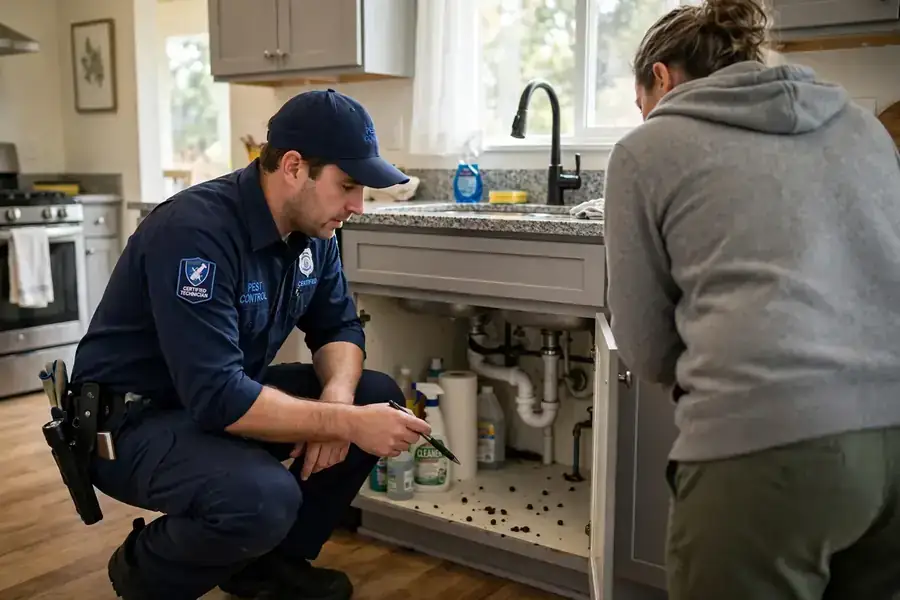
Technician explaining inspection findings to an Albany homeowner

Get Rodent Control in Albany, OR Today

From the Monteith Historic District to the riverside parks, we know Albany's rodent pressure block by block. Call (458) 264-0658 for a free inspection and a plan built for your building.

Get in Touch with Us

We invite you to reach out for any rodent control needs. Our team is available Monday through Friday, with quick response times to your inquiries.