Rodent Control in Wren, OR for Valley Homes and Cabins

Rodent control in Wren OR starts with the river bottomland and timber that surround every home. We inspect valley cabins and farmhouses, remove the active rodents, and seal the entries the woods keep testing.

  • Address209 SW 6th St, Corvallis, OR 97333, USA, Corvallis, Oregon
  • Phone+14582640658
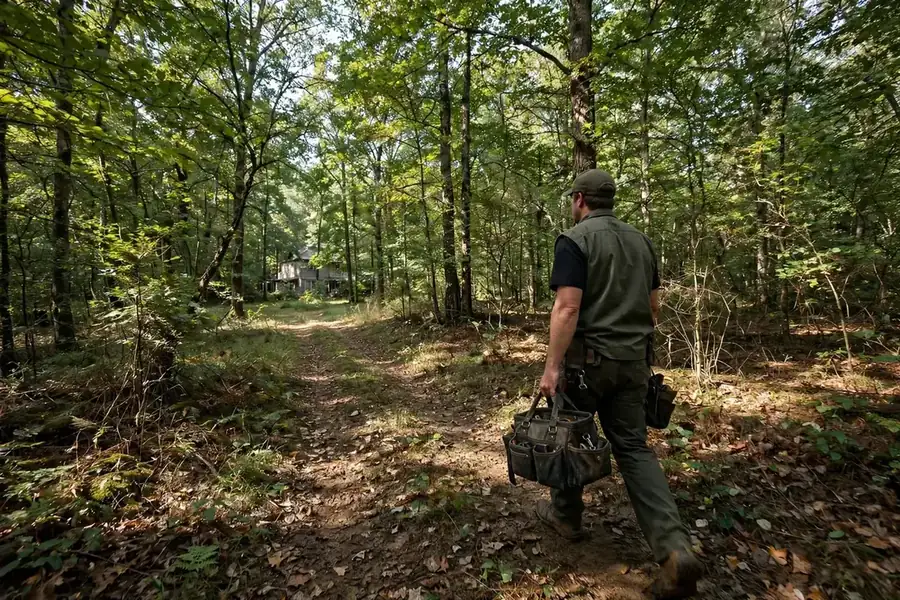
Technician inspecting a farmhouse in the Marys River valley near Wren

Serving Wren and nearby

  • Comprehensive property assessmentsWe inspect every part of your home.
  • Tailored pest management plansSolutions are customized to your needs.
  • Follow-up inspectionsWe ensure the effectiveness of our services.
  • Transparent communicationYou'll be informed at every step.

Rodent Control in Wren, Backed by Local Knowledge

Wren is a wooded rural community on Highway 20 just west of Philomath, where the Marys River winds through second-growth timber and old farm parcels. The Wren Community Club, built by residents in the late 1930s, still anchors the valley, and the historic Harris covered bridge crosses the river two and a half miles west on Harris Road. That mix of river bottomland, timber, and century-old buildings keeps deer mice, woodrats, and roof rats probing Wren homes year-round.

Wren properties are mostly older wood-frame farmhouses and cabins on timbered lots along the Marys River valley, many with wells, septic systems, and detached barns or shops. The river bottomland and the surrounding Siuslaw-edge timber hold dense deer mouse and woodrat populations that move indoors with fall rain and winter cold. Lumos Vineyards and the remaining farm parcels add stored feed and equipment sheds that anchor colonies close to homes.

Marys River winding through timber near Wren Oregon

How Our Service Works in Wren

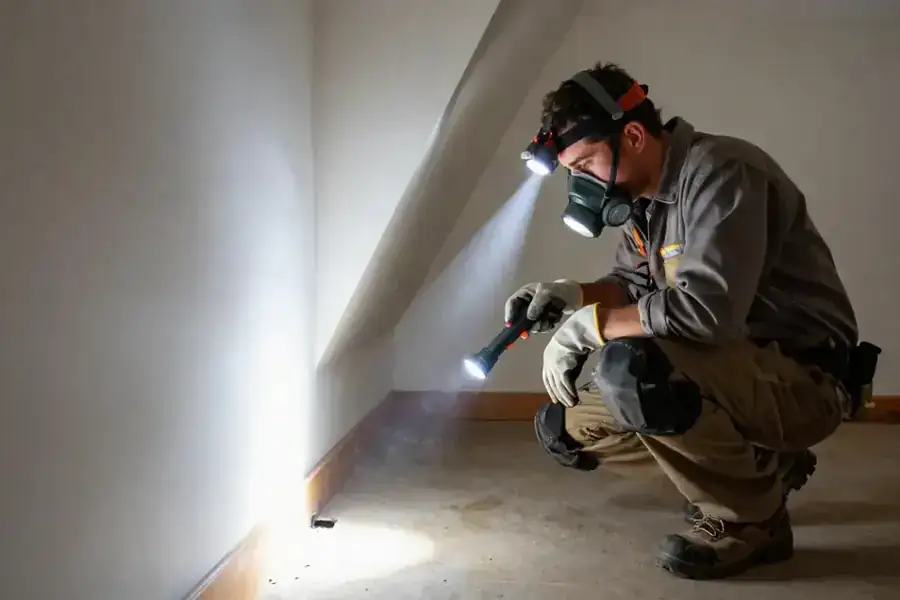
Inspector checking sill gaps at a Wren valley farmhouse

Rodent Inspection in Wren

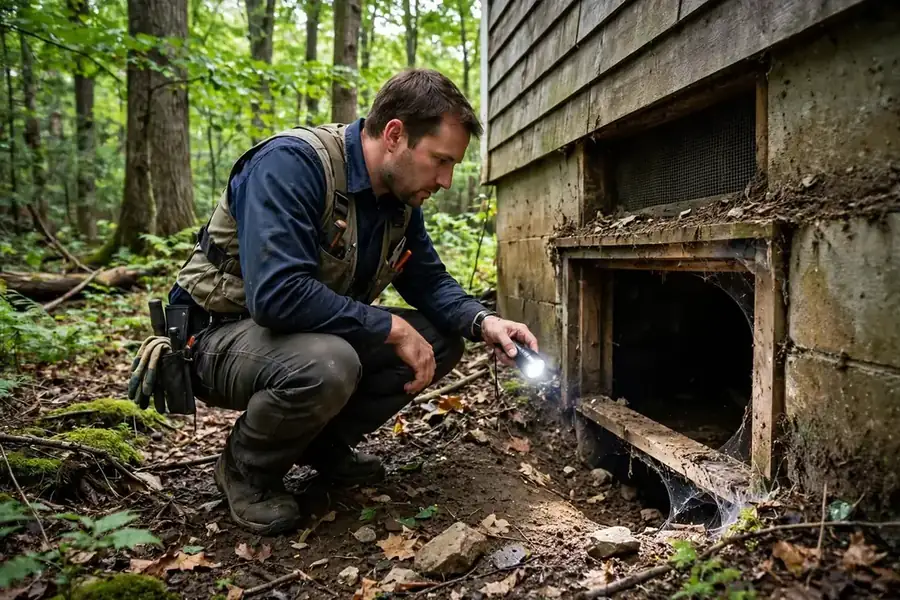
The Wren inspection covers the home, crawl space, attic, barns, sheds, and the river-bottom and timber edges rodents arrive from. Every entry is photographed, including the valley-specific ones like sill gaps and stovepipe penetrations.

  • Home, sheds, and valley edges walked
  • River-bottom pressure mapped
  • Photo report with repair priorities
Farmhouse in the wooded Marys River valley near Wren Oregon

For Homes in Wren

Wren homes are older farmhouses and cabins set in the Marys River valley's timber, many with wells, septic systems, and woodstoves. We plan every job around worn vents, sill gaps, and the river-bottom pressure that defines the valley.

  • Older wood-frame farmhouses on valley lots
  • River-valley cabins used year-round
  • Manufactured homes on timbered acreage
  • Homes with barns, shops, and outbuildings
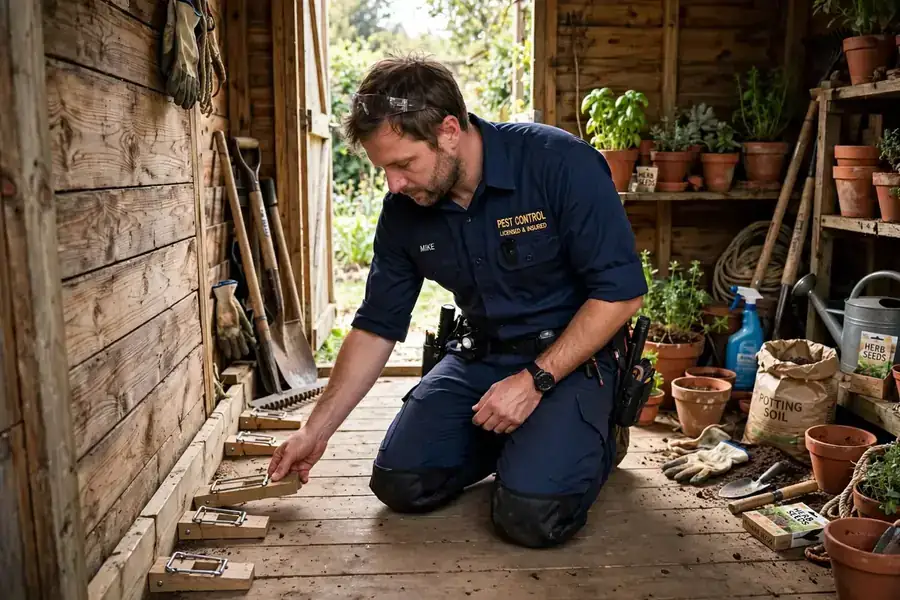
Vineyard outbuilding near Wren with rodent monitoring stations

For Businesses in Wren

Wren's businesses sit in the river valley's timber and farm country, where rodents pressure every outbuilding. We build exclusion and monitoring plans that protect stored products and guest spaces without interrupting the workday.

  • Vineyards and tasting rooms with storage buildings
  • Forestry and logging contractors
  • Vacation rentals and guest cabins
  • Home-based farm and equipment businesses

Common Rodent Problems in Wren

In Wren, the river bottomland is the factory and every valley home is the destination. These are the four problems we see most.

  • Deer mouse droppings in a Wren crawl space

    Deer Mice From the River Bottomland

    Deer mice live in the Marys River bottomland around Wren and move into crawl spaces through rotted sill gaps and pipe penetrations as the weather cools. Their droppings carry hantavirus risk and need careful handling. We trap the routes, repair the sills with mortar and mesh, and disinfect with protective equipment.

  • Woodrat stick nest in a Wren crawl space

    Woodrat Nests in Timber-Edge Crawl Spaces

    Dusky-footed woodrats build bulky stick nests in Wren crawl spaces, sheds, and under decks, dragging in sticks and debris from the surrounding timber. The packed nests hold damp against framing and block vents. We pull the nests apart by hand, screen every opening, and shift firewood stacks well clear of the house.

  • Roof rat damage in a Wren farmhouse attic

    Roof Rats in Valley Farmhouse Attics

    Roof rats reach Wren farmhouse attics along overhanging limbs from the valley's mature trees, then shred insulation into nests and gnaw wiring. Once inside, they also run wall voids to reach stored food. We trap out the attic colony, screen the eave gaps, and cut back the limb highways they travel.

  • Rodent pressure around a Wren vineyard outbuilding

    Outbuilding Colonies Near Vineyards and Farms

    Vineyard and farm outbuildings near Wren store equipment, feed, and supplies that anchor rat and mouse colonies within steps of homes. From there, rodents probe the house's vents and foundation gaps nightly. We trap the outbuilding colonies and seal the connecting routes to the house.

Signs You Need Rodent Control in Wren

In the valley, signs show up wherever the timber touches the building.

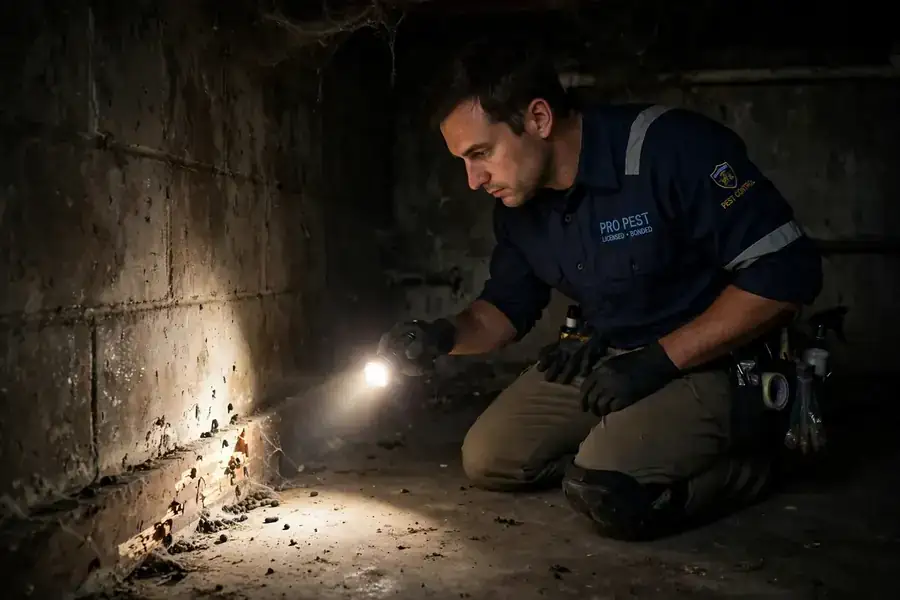
Technician pointing out droppings along a Wren crawl space perimeter
  • Droppings in the Crawl Space and Pantry

    Look for dark pellet droppings along the crawl space perimeter, pantry shelves, and behind stored boxes. Fresh droppings are dark and moist; old ones crumble gray, and fresh ones mean current activity.

  • Stick Piles Appearing Under Decks or in Sheds

    Woodrats drag sticks and debris into crawl spaces and under decks, piling them into bulky nests. Stick piles appearing where none existed signal active woodrat construction near your home.

  • Scratching in Walls and Attic at Night

    Listen for scratching and rustling inside wall voids and above ceilings after dark, especially along the eaves. Deer mice and roof rats are most active in fall and winter.

  • Gnaw Marks Around Shed Doors and Vents

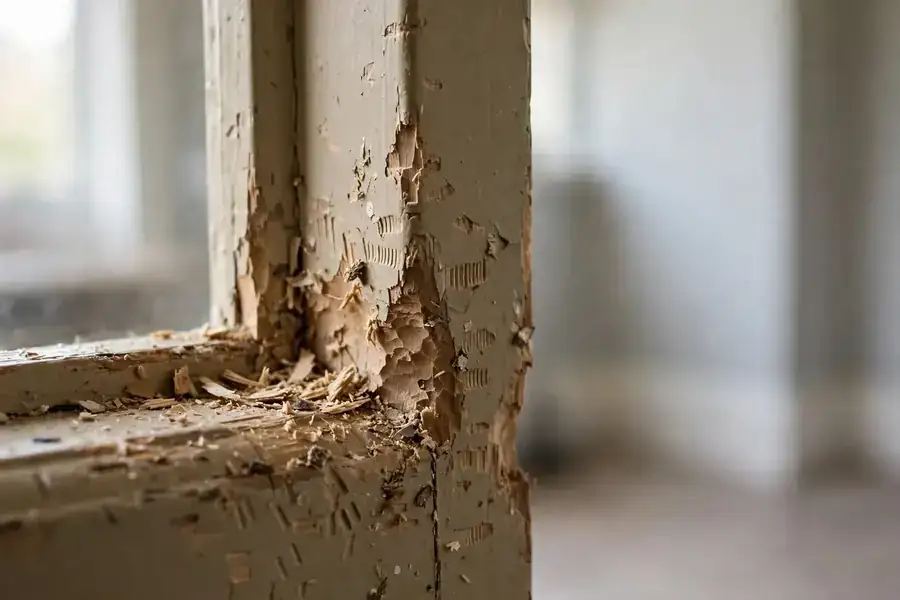
    Rodents widen gaps around shed doors, crawl vents, and foundation lines by gnawing, leaving pale fresh marks on weathered wood. Fresh gnawing beside older marks tells us that entry is active right now.

  • Shredded Nesting Material in Storage Areas

    Nesting material — shredded paper, fabric scraps, insulation — dragged into corners and wall voids signals an active nest nearby. Mice gather this material nightly, so fresh shredding points to a current colony, not an old one.

How Rodent Control Is Executed in Wren

Wren execution treats the river bottomland as part of the building, because that is where the pressure starts. Here is how each phase runs.

  • Valley-Wide Inspection

    We walk the home, crawl space, attic, barns, sheds, and the river-bottom and timber edges because Wren rodents use all of them. You see the full activity map before we lift a single trap.

  • Valley-Tough Exclusion Materials

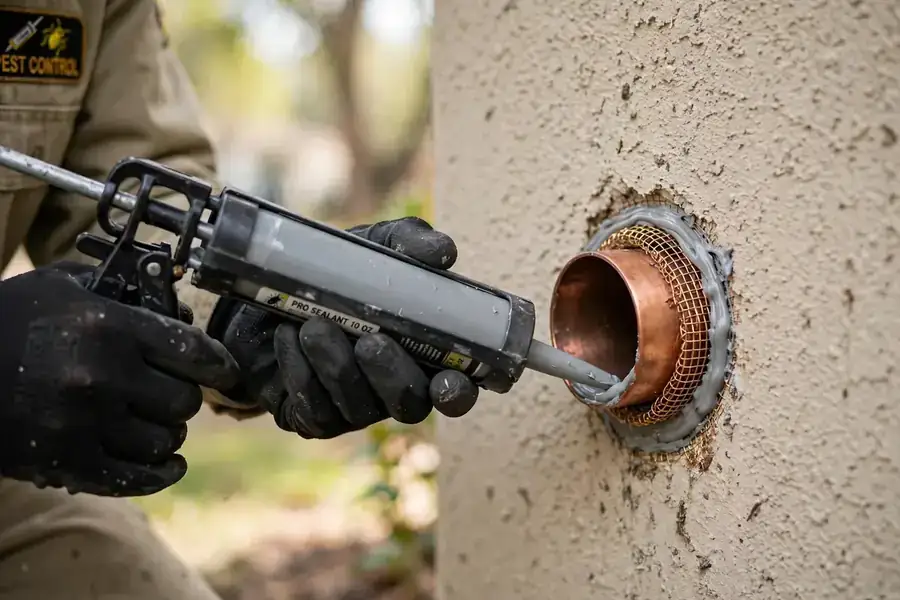
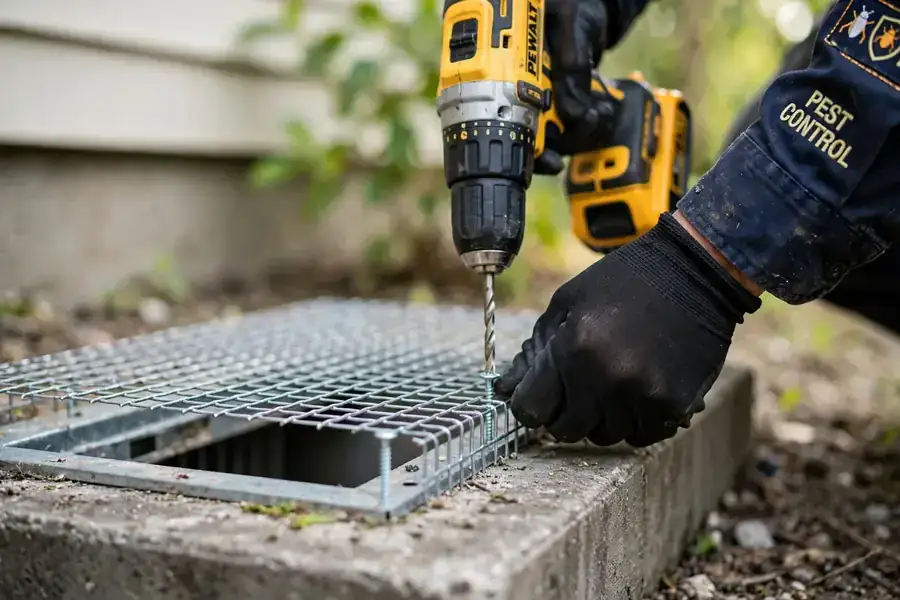
    Sill gaps get mortar-and-mesh repairs, vents get rescreened, and stovepipe gaps get fire-safe metal flashing. Every material is chosen to survive determined gnawing from animals that live steps away.

  • Logged Trapping Plus Nest Removal

    We place traps on the mapped routes, log every visit on a set schedule, and take woodrat nests apart with protective equipment as we go. The trapping phase stays open until captures drop to zero.

  • Firewood and Feed Management

    We recommend shifting firewood and lumber away from the walls, cutting brush back from the foundation, and sealing up stored feed and pet food. Clearing that cover takes away the staging ground colonies use right outside your door.

  • Timed Ahead of the Fall Rains

    Every Wren plan finishes sealing and station work before the first sustained fall rains, the event that drives the whole valley indoors. Booking ahead of that window heads off the year's heaviest invasion pressure.

Landmarks We Navigate By in Wren

Wren is a valley community, so its historic club, covered bridge, and river orient every visit.

  • Wren Community Club

    Built by residents in the late 1930s and listed on the county historic register, the club anchors the valley community we serve.

  • Harris covered bridge (Marys River)

    The 1936 covered bridge on Harris Road, two and a half miles west of Wren, marks the river-bottom properties with the heaviest deer mouse traffic.

  • Marys River

    The river winds through the valley past Wren, and its bottomland cover feeds the rodent population that probes every home.

  • Highway 20 corridor

    The highway runs through Wren connecting Philomath to the Coast Range; homes along it make up most of our service calls.

  • Lumos Vineyards

    On Cardwell Hill Road near Wren, the vineyard's farm buildings and storage mark the working-agriculture side of the valley.

  • Wren Cemetery

    The historic cemetery marks the old settlement side of the community, where some of the valley's oldest farmhouses stand.

Neighborhoods We Serve in Wren

Wren is unincorporated, so we serve its highway corridor, river roads, and farm lanes directly.

  • Homes along the Highway 20 corridor through Wren
  • Properties on Harris Road toward the covered bridge
  • The valley lanes around the Wren Community Club
  • Farm parcels on Cardwell Hill Road

Recent Results in Wren

  • Woodrat Nests Cleared From a River-Valley Cabin

    Before

    A river-valley cabin had woodrats building stick nests in the crawl space and under the deck, dragging material through a broken vent screen.

    After

    We dismantled the nests, screened the vent and eave entries, and relocated the woodpile. Two months of monitoring showed no new construction.

  • Attic Roof Rats Stopped at a Valley Farmhouse

    Before

    Roof rats were reaching a farmhouse attic along overhanging limbs, shredding insulation and leaving droppings along the soffits.

    After

    Trapping cleared the attic routes and we sealed the eave returns and trimmed the limbs. The attic stayed quiet through winter.

  • River-Bottom Deer Mice Sealed Out of a Crawl Space

    Before

    Deer mice from the river bottomland were moving into a crawl space through rotted sill gaps, leaving droppings and shredded insulation throughout.

    After

    We trapped the routes, repaired the sill gaps with mortar and mesh, and disinfected the droppings areas. No new activity in six weeks of checks.

How Seasons Affect Rodent Control in Wren

  • Spring

    Snowmelt and spring rains flood river-bottom burrows, pushing deer mice toward drier crawl spaces and sheds. Spring inspections find the entries winter storms opened in older buildings.

  • Summer

    Rodents stay mostly in the bottomland and timber in summer, but vineyard work and equipment storage give them cover near buildings. Summer is the best window for exclusion and vegetation work.

  • Fall

    The first sustained rains drive valley rodents indoors in a wave, with attics, wall voids, and crawl spaces filling fast. Seal up before those rains and the house stays quiet; wait too long and it becomes their winter den.

  • Winter

    Cold weather sends colonies deeper into structures, where they breed in wall voids and chew wiring and stored materials. Winter monitoring keeps interior numbers from quietly rebuilding.

Nearby Areas Served by Corvallis Rodent Shield

Questions to Ask Before Hiring Rodent Control in Wren

Valley rodent work has its own species and entries. Ask these questions before you book, not after.

  • What should a proper Wren inspection include?

    Expect a full valley-property walk: house, crawl space, attic, barns, sheds, and the woodpile and brush lines. In Wren, entries hide at the sill, the vents, and the outbuildings, and missing one means a repeat visit.

  • How do you handle deer mouse droppings safely?

    Deer mouse droppings in the valley can carry hantavirus. Proper cleanup uses respirators, disinfectant, and no dry sweeping. Ask about the cleanup protocol before anyone touches the droppings.

  • What do you do about woodrat stick nests?

    Dusky-footed woodrats build stick nests that block vents and trap moisture against wood. The company should dismantle nests, remove debris, screen entries, and relocate firewood staging, not just set traps nearby.

  • What materials hold up on old valley buildings?

    Older valley buildings need mortar-and-mesh sill work, rescreened vents, and fire-safe stovepipe flashing, all photographed before and after. Foam-only sealing on a rat route will fail within a season.

  • How will I know the work is done and holding?

    Look for dated photos of sealed entries, trap logs falling to zero, and a map of exterior stations. In the valley, the river-facing side of the property deserves its own close-ups.

FAQs About Rodent Control in Wren

Answers to common questions about rodent control in Wren.

Still wondering? +14582640658

Technician discussing a valley property plan with a Wren homeowner

Rodent Control in Wren, OR — Call (458) 264-0658

From river-valley cabins to vineyard outbuildings, we handle Wren rodent problems where the timber meets the valley. Call Corvallis Rodent Shield at (458) 264-0658 to schedule a valley inspection at a time that suits you.

Get in Touch with Us

We invite you to reach out for any rodent control needs. Our team is available Monday through Friday, with quick response times to your inquiries.