Photo report of entry points
You receive dated photos of every gap, gnaw mark, and nesting site we found.
Our attic rodent removal Corvallis team clears rats and mice from above your ceiling and makes the attic safe to use again. We remove the animals, clean out contaminated insulation, and seal the roofline gaps they used to get in.
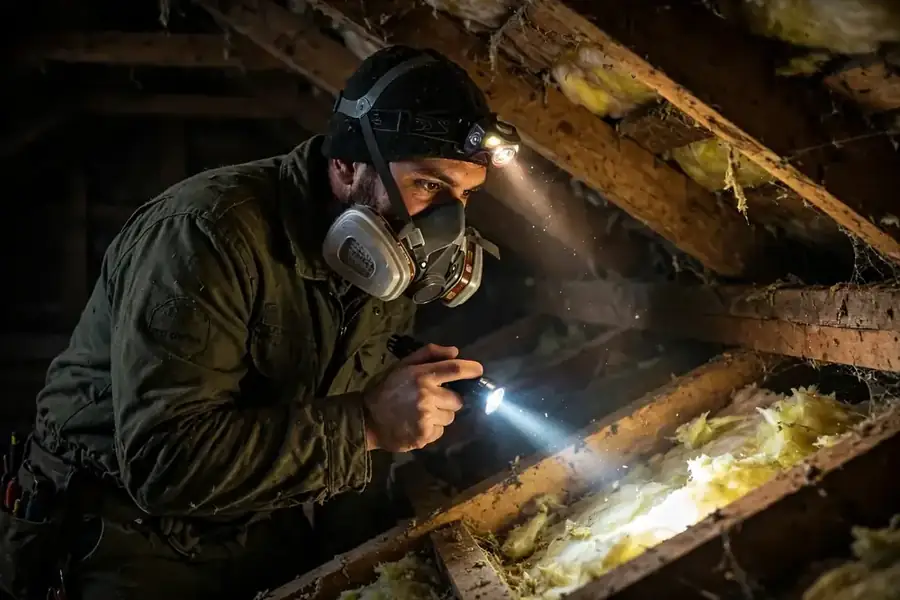
Every attic job follows the same full sequence — nothing left half done: the rodents removed, the mess cleared, and the way they got in closed off.
Homeowners hear attic rodents before they see them — scratching above the bedroom at night, pellets under the eaves, a musty smell near the hatch. We handle the whole job so you never have to climb into a contaminated attic yourself.
Small commercial buildings have attics and ceiling voids too — and rodent noise above a dining room or office is a reputation problem. We schedule after-hours service and document every step for health and fire inspectors.
Attic rodent removal is the complete process of getting rats and mice out of your attic — trapping them, cleaning what they contaminated, and sealing how they entered. Corvallis attics are prime territory: older homes have generous rooflines, fall drives rats indoors, and a warm attic above heated living space is the best shelter a roof rat will find all year.
Roof rats climb the big maples and firs around Corvallis neighborhoods and cross straight onto roofs, while Norway rats follow utility lines and downspouts upward. Once inside, they chew through duct insulation, compress batts into nesting runs, and gnaw wiring in the dark. Most attic infestations start with a single gap under an eave or a torn attic vent screen nobody noticed.
An attic with rodents isn't storage anymore — it's their house now.
Five steps, in order, with no shortcuts between them.
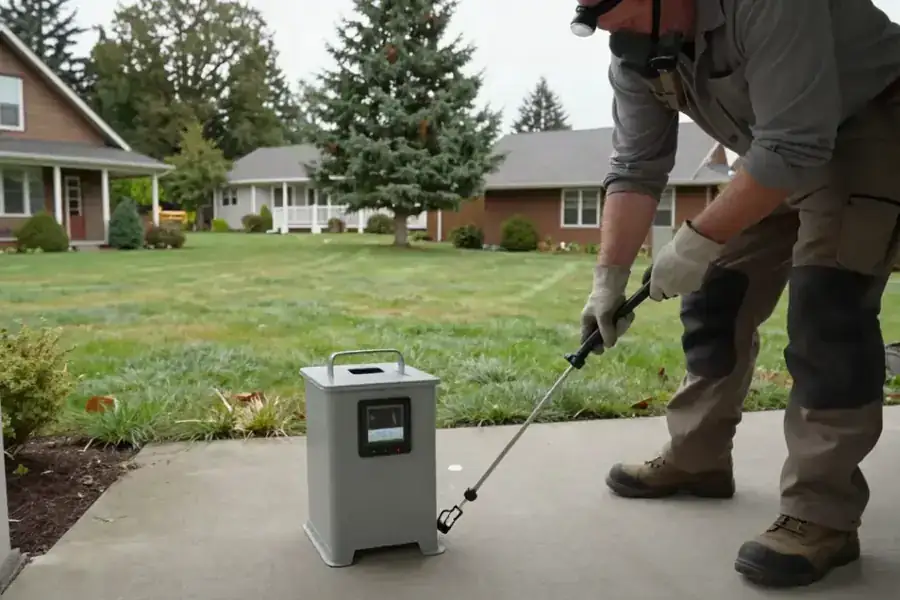
We walk the roofline, eaves, and attic interior with lights and cameras, mapping every entry gap, gnaw mark, and droppings trail. You receive a photo report showing exactly where they're getting in and how far the contamination has spread.
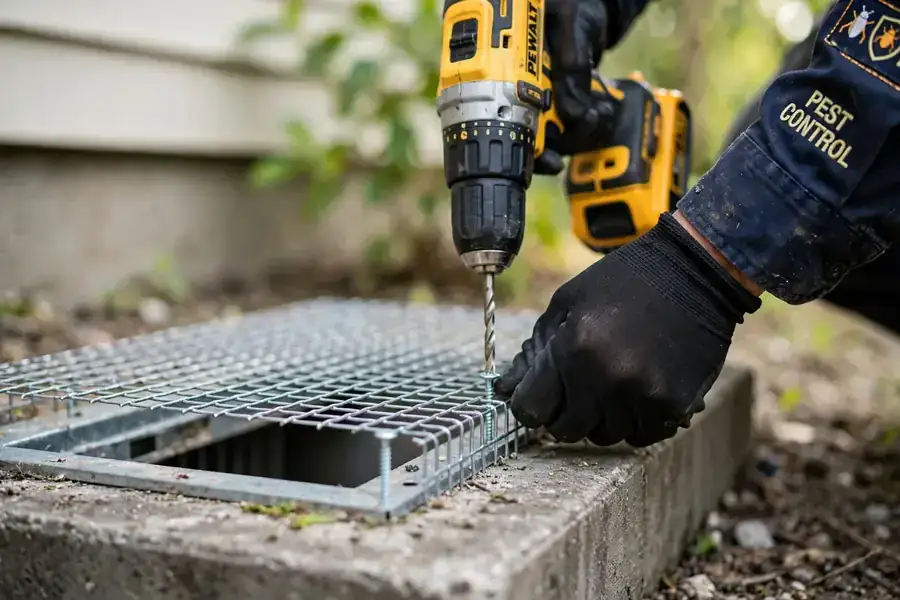
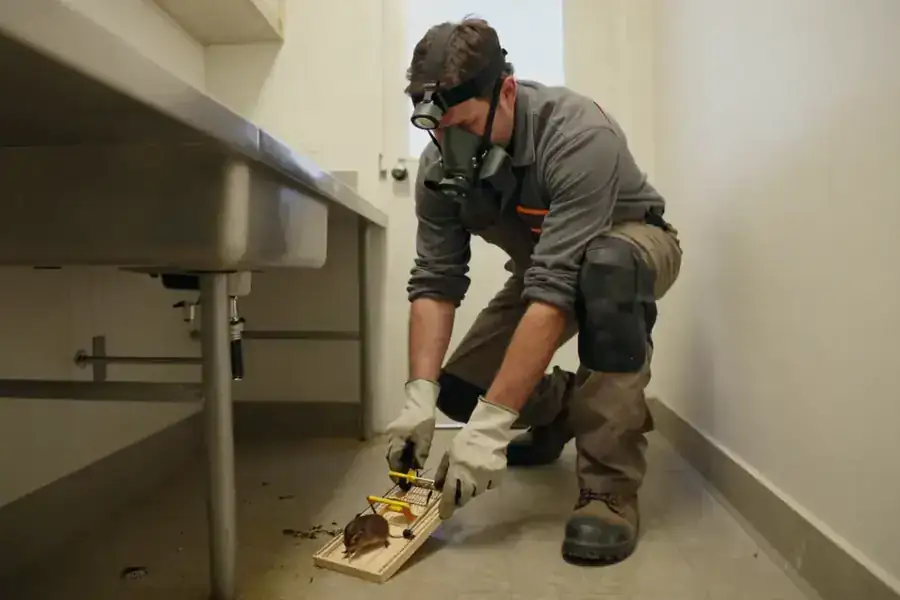
We set snap traps and live traps along attic travel routes — never loose poison — and return to clear and reset until activity stops. Trapping continues until several quiet nights confirm the attic is empty.
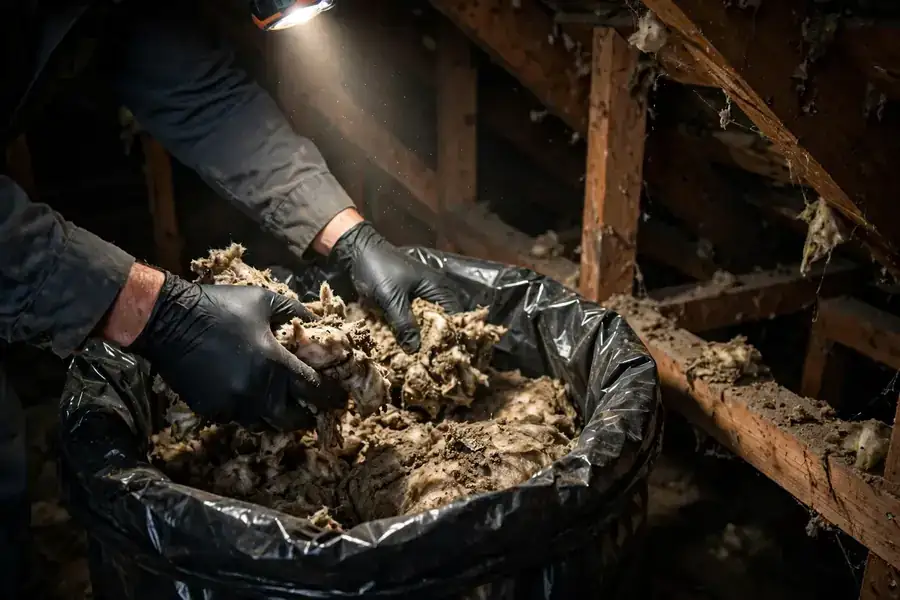
We suit up and remove droppings, nests, and contaminated insulation by hand and HEPA vacuum, working from the farthest corner back to the hatch so nothing is tracked through your home.

We treat the attic deck and framing with enzyme-based sanitizers that break down urine residue and neutralize odor, giving the areas rodents marked most heavily a second pass.
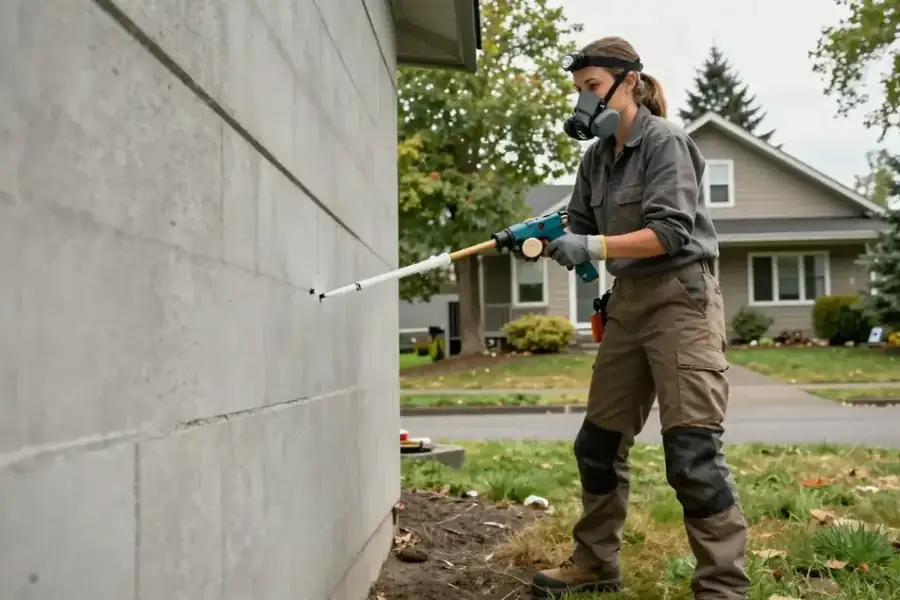
We seal every gap we mapped with copper mesh, metal flashing, and exterior-grade sealant, then set monitor traps for a final verification visit. The job closes only after a clean inspection.
Placed along rafters and travel paths where roof rats run; fast, verifiable, and they keep dead rodents out of your walls.
Used where a snap trap can't fit or a humane option is requested; checked on every return visit.
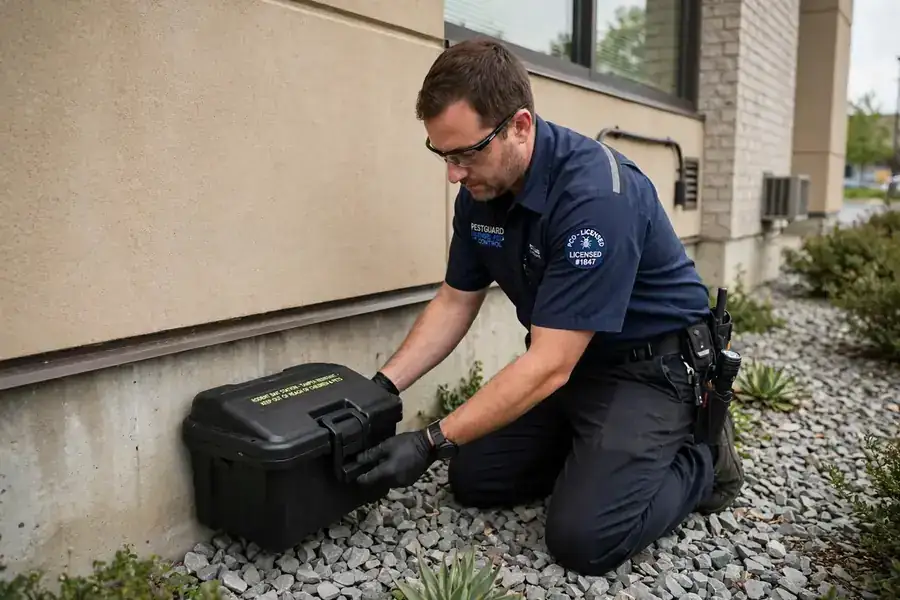
Capture droppings and dust without blowing contaminated particles into the air your family breathes.
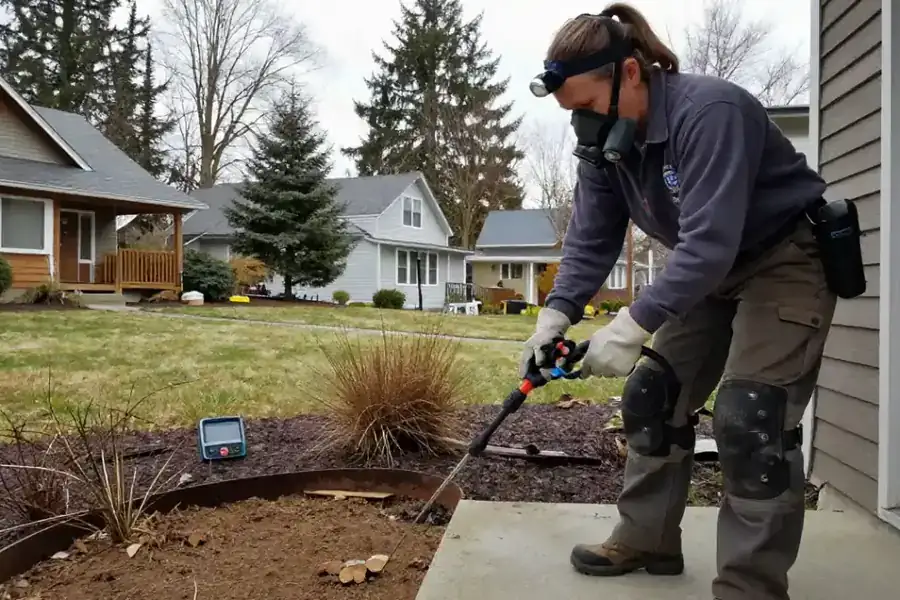
Respirators, gloves, coveralls, and eye protection for every attic entry — attic air above a colony is not safe to breathe unprotected.
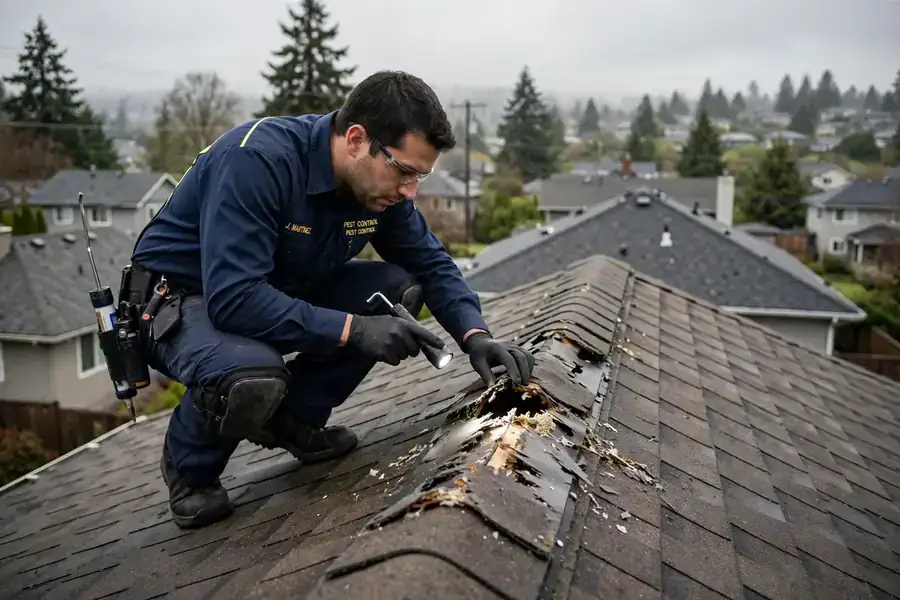
Stuffed and fastened into soffit gaps and vent openings; rodents can't chew through metal.
Permanent covers for gable vents, ridge vents, and chimney chases that still let air move.

Break down rodent urine at the molecular level instead of masking it, applied to decking and framing.
Reach into tight eave corners and behind ductwork to confirm entry points and hidden nests.
Nighttime scurrying means active rodents overhead, and roof rats run the same paths every night. We inspect the attic, map their routes, and start trapping that week.
Pellets around the hatch, soffits, or gutters mean the attic colony is established. We remove the contamination and seal the roofline so it doesn't rebuild.
A bent attic vent or gnawed soffit is an open door with a sign on it. We close it with metal and check the attic for residents that already moved in.
Corvallis attics have their own character — low-pitch ranch roofs in South Corvallis, tall firs dropping branches onto North Corvallis roofs, and older homes near downtown with original vent screens that have seen better decades. The wet Willamette Valley winter pushes rats under cover by October, and by spring some attics carry months of unseen damage. We know which neighborhoods the roof rats favor and which rooflines the Norway rats use, and we build every sealing plan for Corvallis weather: rain, moss, and all.
The homeowner heard nightly scratching above the master bedroom and found droppings spilling from the attic hatch.
We trapped eleven roof rats over two weeks, removed two wheelbarrows of soiled insulation, and sealed six soffit gaps.
Trim the maple limb touching the roof — that's their highway.
Chewed duct insulation was blowing rodent smell through the upstairs vents every time the heat kicked on.
Attic cleared, duct wrap replaced, and the torn gable screen rebuilt with hardware cloth.
Check attic screens every fall before the rains start.
A renter reported ceiling stains and a musty smell; the landlord feared a roof leak.
The stains were urine-soaked insulation over a bathroom vent — removed, sanitized, and the vent resealed.
Bathroom vents that end in the attic attract rodents and moisture alike.
Attic rodents cause three kinds of damage at once — here's what each one looks like.
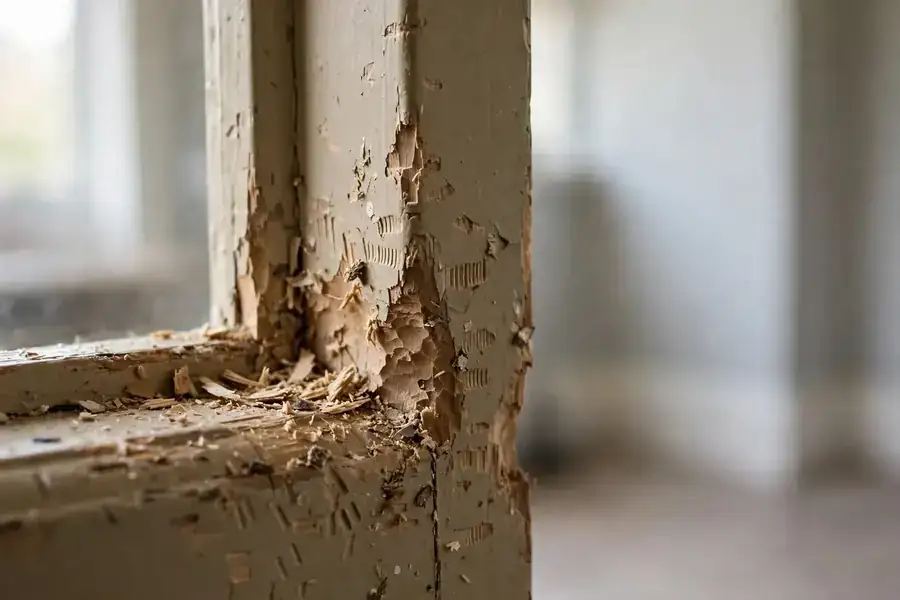
Rats gnaw wire insulation to file their teeth, and an attic full of dry nesting material sits inches away. We remove the rodents and flag chewed wiring for your electrician before it becomes a fire call.
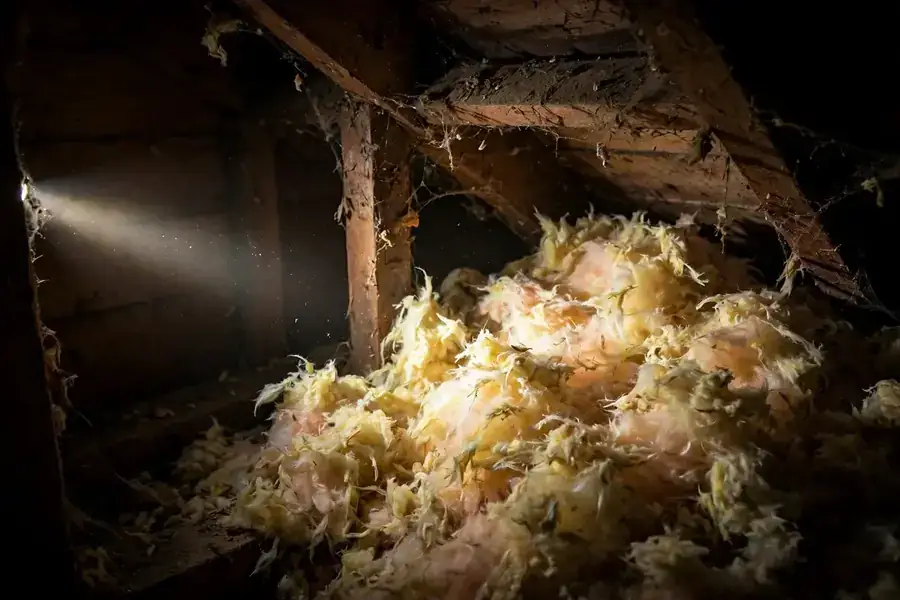
Compressed, urine-soaked batts lose their R-value, and heating bills climb while rooms stay cold. We clear the damaged insulation so the attic can be re-insulated properly.
Months of droppings and urine soak into decking and drift down through ceiling cracks and light fixtures. We extract the contamination and neutralize the odor at the source.
No more 2 a.m. scratching above the bedroom. Trapping continues until the attic is verified quiet, not just until the noise fades.
HEPA extraction and enzyme sanitizing remove the particles and urine odor your HVAC was circulating. The attic stops smelling like the reason you sealed the hatch.
With rodents gone and entry sealed, your electrical runs and ductwork stop being chew toys. That is real fire and repair risk removed.
Once the contamination is out, the attic is a clean shell ready for new insulation. Many homeowners pair the job with an energy upgrade.
Clear records you can keep and share.
You receive dated photos of every gap, gnaw mark, and nesting site we found.
A written record of each visit, trap placement, and animal removed.
A list of every sealed entry point with the materials used, so you know exactly what was closed.
Three things Corvallis homeowners usually ask before their first attic job.
Rodenticide sends rats to die inside walls and soffits, where you can't retrieve them. Traps give us a body count and a confirmed empty attic.
A rat fits through a hole the size of a quarter, and most attics have a dozen candidates. That is why the inspection matters as much as the trapping.
Once contaminated insulation is out, many customers add fresh batts or blown insulation. We coordinate timing so you only open the attic once.
If you're outside these neighborhoods, don't hesitate to reach out and ask. +14582640658
Most attic jobs in Corvallis fall in the $180–$450 range, depending on the size of the attic, how many rodents we're dealing with, and whether insulation needs to come out. Heavy contamination or full insulation replacement can push the price higher, and we'll give you an exact written quote after the inspection. No surprises mid-job.
A typical attic takes one to three weeks from first trap to confirmed clear. Trapping usually runs five to ten days, then cleanup and sealing take another visit or two. We don't close the job until monitor traps sit quiet, because rushing the timeline is how colonies bounce back.
If droppings and urine have soaked through the batts, yes — compressed, contaminated insulation can't be cleaned, and it keeps smelling. Light surface contamination can sometimes be spot-treated, but we'll show you photos and tell you honestly which sections are salvageable.
Droppings and urine can carry bacteria and viruses, including hantavirus in deer mice, which is why we work in full respirators and use HEPA equipment. Once the attic is cleared and sanitized, the health risk goes with it — the real danger is leaving contamination sitting for months.
Roof rats climb trees, ivy, and downspouts straight onto your roof, then slip through soffit gaps, torn vent screens, or spaces around the chimney. Norway rats ride utility lines up from the ground. Sealing those roofline gaps with metal is the only lasting fix.
Hearing scratching overhead? Call Corvallis Rodent Shield at +14582640658 and we'll inspect your attic, map the entry points, and give you a written plan the same day.
We invite you to reach out for any rodent control needs. Our team is available Monday through Friday, with quick response times to your inquiries.