Rodent Control in Philomath, OR

Corvallis Rodent Shield provides rodent control in Philomath, OR, pairing Coast Range-savvy inspections with permanent exclusion work. From timber-era cottages to newer homes near the Marys River, we remove active infestations and seal the routes rodents use to return.

  • Address209 SW 6th St, Corvallis, OR 97333, USA, Corvallis, Oregon
  • Phone+14582640658
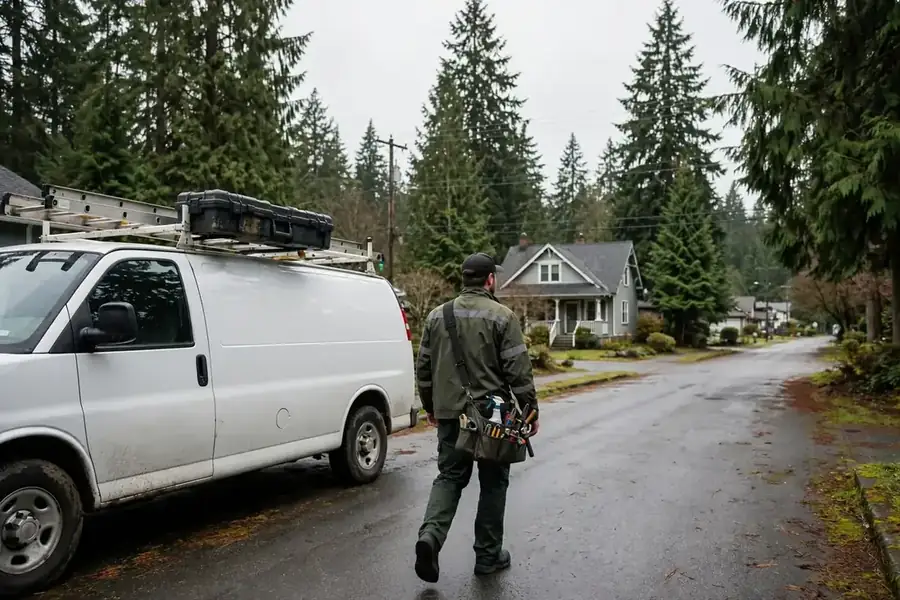
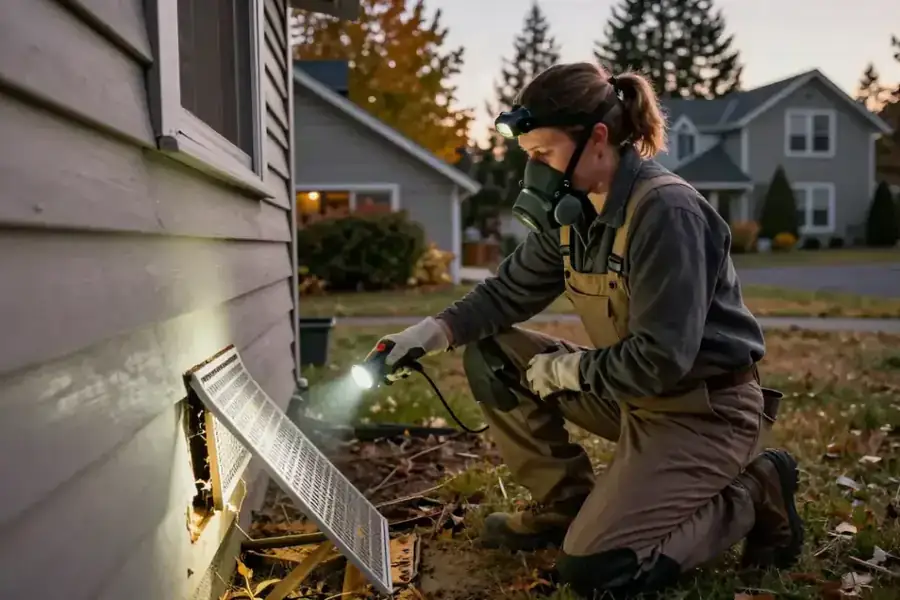
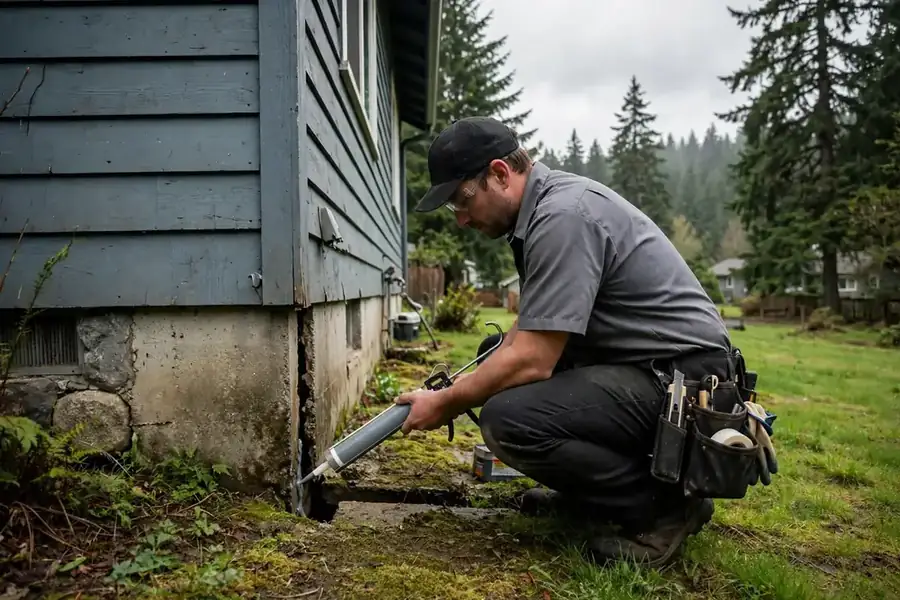
Technician sealing an exterior entry point on a Philomath home to stop rodent entry

Serving Philomath and nearby

  • Comprehensive property assessmentsWe inspect every part of your home.
  • Tailored pest management plansSolutions are customized to your needs.
  • Follow-up inspectionsWe ensure the effectiveness of our services.
  • Transparent communicationYou'll be informed at every step.

Rodent Control in Philomath, Backed by Local Knowledge

Philomath sits at the western foot of the Coast Range, a timber town where sawmill-era lots meet forested hillsides and the Marys River winds through neighborhoods. That edge position makes it a natural staging ground for deer mice and roof rats, which shelter in woodpiles, hollow stumps, and old sheds before moving toward houses. When the first fall rains arrive, displaced rodents push into garages, crawl spaces, and attics across town. We map each property against its immediate surroundings — riverbank, forest edge, or downtown — before recommending any work.

Philomath's housing stock ranges from cottages and ranch homes built between the 1920s and 1970s to subdivisions like Millpond Crossing and Southwood Park. Older homes often have original foundation vents, uncapped crawl space access, and gaps where utility lines enter — classic entry points our inspections target first. Rural parcels on the town's west side add barns and firewood stacks that feed ongoing pressure. The result: control plans here lean heavily on exclusion, because removal without sealing simply invites the next generation in.

Homes along a tree-lined Philomath street near the Coast Range foothills

Rodent Control Services Available in Philomath

Every service below is delivered in Philomath with the same inspection-first method we use across Benton County. Pick the one that matches your problem, or start with an assessment and let us recommend.

How Our Service Works in Philomath

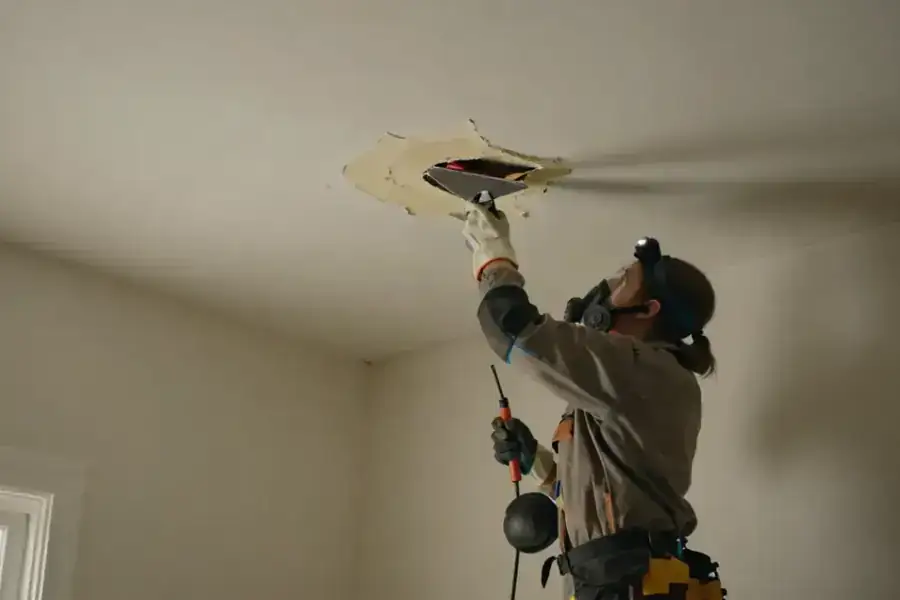
Technician inspecting an attic in a Philomath home with a flashlight

Rodent Inspection and Assessment in Philomath

A Philomath inspection runs 45–60 minutes and covers the full envelope: roof, attic, crawl space, foundation, and any sheds or woodpiles within the rodent's travel range. We document droppings, gnaw marks, and rub marks with photos so you see exactly what we found. Every finding maps to a fix — no vague recommendations.

  • Attic and crawl space search for droppings, nesting, and compressed insulation
  • Exterior gap survey with measurements of every entry point found
  • Written photo report with a prioritized, priced action plan
Philomath residential street with older cottages and mature trees

For Homes in Philomath

Philomath homes face rodent pressure from three directions: the Coast Range treeline, the Marys River corridor, and aging building envelopes. Our residential work adapts to whichever direction is hitting your house.

  • Timber-era cottages near downtown with original foundation vents and gaps
  • Ranch and split-level homes from the 1960s–70s with accessible crawl spaces
  • Millpond Crossing and Southwood Park subdivisions backing onto green space
  • Acreage homes west of town with barns, sheds, and stacked firewood
Commercial building exterior on Philomath's Main Street service area

For Businesses in Philomath

A rodent sighting can cost a Philomath business its reputation fast, and commercial kitchens and event spaces have zero tolerance for droppings. We build discreet, documented programs that satisfy inspectors without disrupting your day.

  • Main Street restaurants and cafés needing documented sanitation support
  • Lumber supply and farm stores with large, hard-to-seal warehouse space
  • Benton County Fairgrounds and Rodeo event facilities before and after events
  • Breweries, taprooms, and food carts storing grain and dry goods on site

Common Rodent Problems in Philomath

The mix of forest edge, river corridor, and aging housing creates a distinct set of rodent problems in Philomath. These are the four we are called for most often.

  • Damaged attic insulation showing rodent nesting trails in a Philomath home

    Roof Rats in Attics Near the Treeline

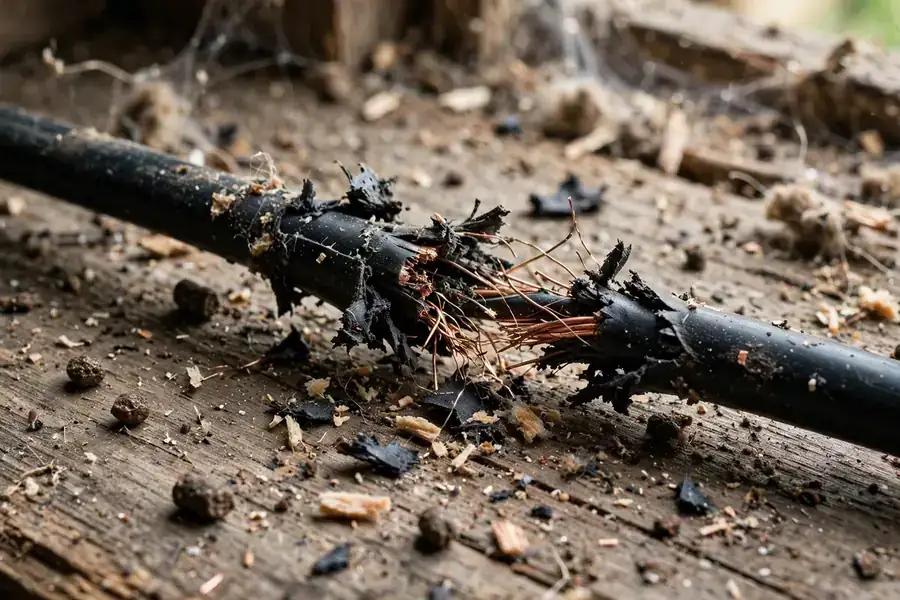
    Roof rats nest in trees and ivy along the Coast Range foothills, then follow branches and power lines onto Philomath roofs. Once in the attic they shred insulation, gnaw wiring, and leave trails of droppings along rafters. We trap the attic population, seal roofline and fascia gaps, and cut back the access routes where practical.

  • Firewood stack against a Philomath shed, a common deer mouse harborage

    Deer Mice in Sheds and Woodpiles

    Deer mice thrive in Philomath's rural edges, nesting in stacked firewood, sheds, and outbuildings — and they can carry hantavirus, which makes cleanup a job for professionals. We remove active mice, then rodent-proof the outbuilding so the next generation stays outside. The firewood itself gets repositioned guidance to break the harborage cycle.

  • Norway rat burrow openings along a riverbank near Philomath homes

    Norway Rats Along the Marys River

    The Marys River corridor gives Norway rats burrowing habitat, water, and a travel lane straight into riverside yards. They dig under foundations and enter through low crawl space vents, then nest beneath the house. Our river-area jobs combine burrow treatments, exterior trapping lines, and vent screening so the colony cannot reestablish.

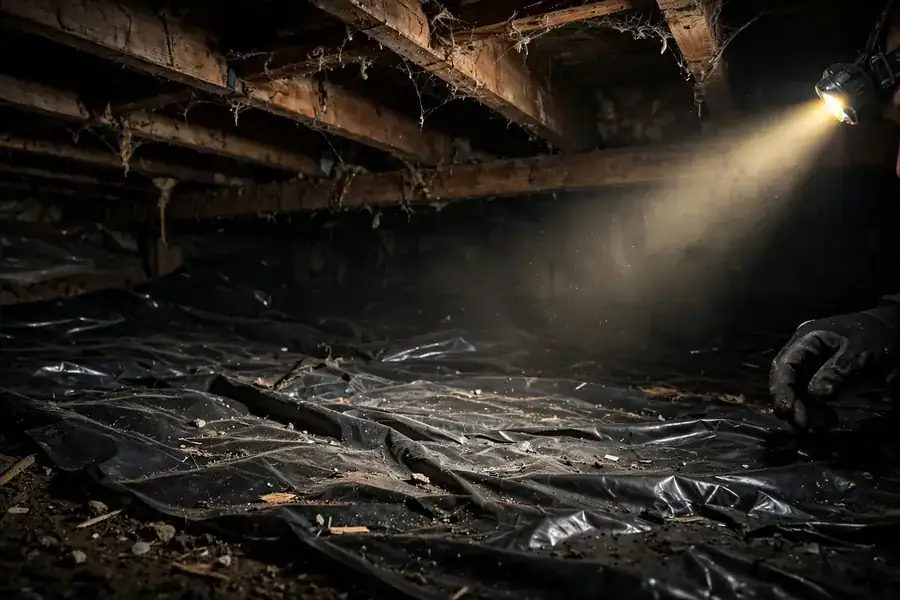
  • Crawl space under a Philomath ranch home with damaged vapor barrier

    Crawl Space Nesting in Older Ranch Homes

    Philomath's 1960s–70s ranch homes often have vented crawl spaces with torn vapor barriers — warm, dry, and hidden, which is exactly what nesting rodents want. Colonies under the house chew duct insulation and spread droppings across the soil cover. We clear the infestation, repair the vapor barrier, and seal the vents with rodent-proof screening.

Signs You Need Rodent Control in Philomath

Catch these early and the job stays small — ignore them and the colony grows behind your walls.

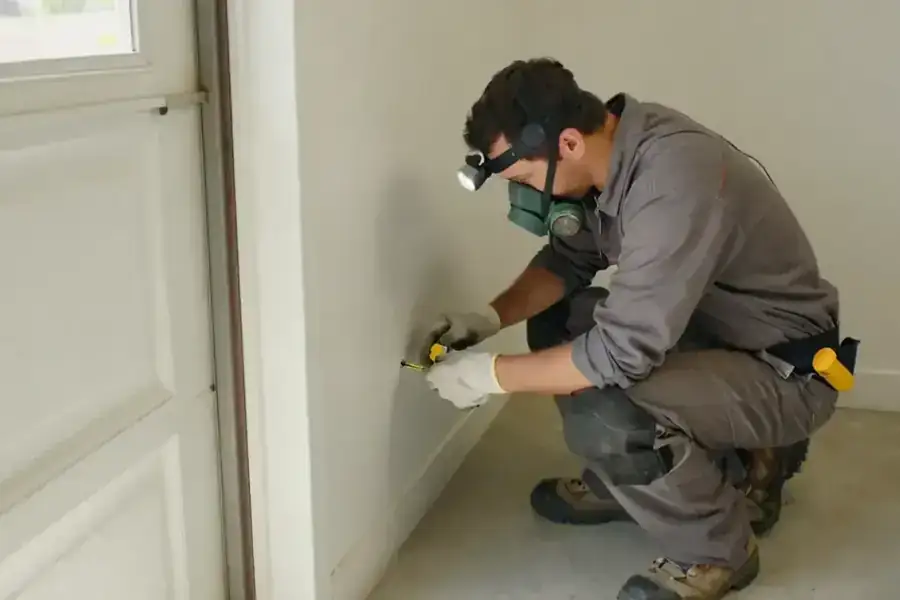
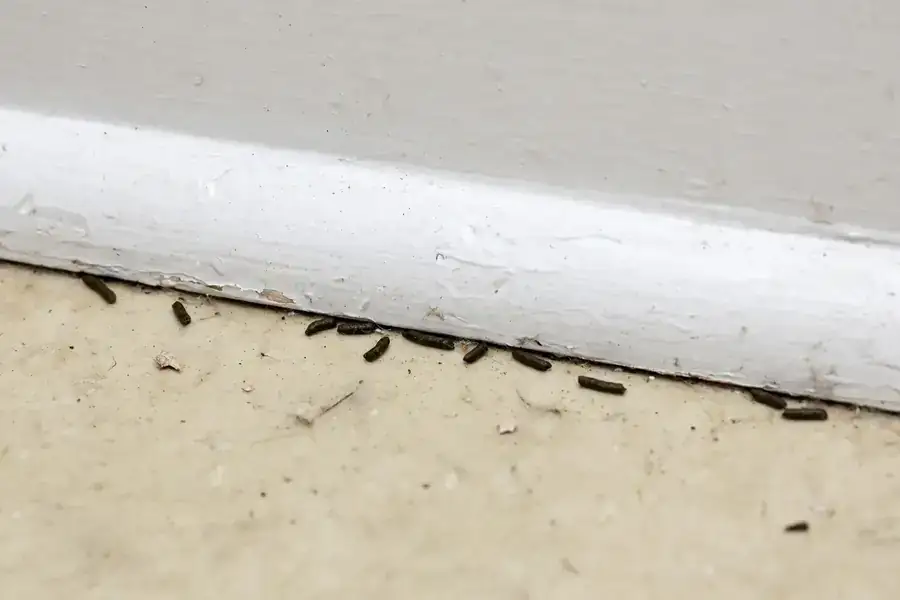
Rodent droppings and gnaw marks found in a Philomath garage
  • Scratching sounds after dark

    Roof rats and mice go active at night. If you hear scratching or scurrying in the ceiling or walls after dark, rodents are already inside — call before they settle in.

  • Droppings in the garage or pantry

    Rice-grain droppings mean mice; larger, blunt-ended pellets mean rats. Either way, droppings near stored food or pet food call for professional removal and sanitation.

  • Gnaw marks on baseboards or stored goods

    Rodents gnaw constantly to keep their teeth worn down. Fresh chew marks on door frames, wiring, or cardboard boxes signal an active, feeding population.

  • Greasy rub marks along paths

    Rats follow the same routes nightly, leaving dark oily smudges along baseboards, pipes, and foundation walls. Rub marks trace the exact path they take into your building.

  • Nesting material in storage areas

    Shredded paper, fabric, or insulation gathered into a loose ball is a nest. Check sheds, attics, and behind stored appliances — nests mean breeding is underway.

How Rodent Control Is Executed in Philomath

Philomath's mix of forest edge, river corridor, and aging housing stock shapes how we do the work. These are the local factors every job plan accounts for.

  • Marys River corridor screening

    Properties near the Marys River get river-grade vent screening and foundation checks, because Norway rats travel the riparian corridor nightly. We also inspect sheds and river-facing outbuildings that owners often forget.

  • Vented crawl space retrofits

    Older ranch homes with vented crawl spaces get rodent-proof vent covers, sealed access doors, and vapor barrier repairs. This closes the single most common entry route we find in Philomath's mid-century housing.

  • Outbuilding and firewood strategy

    Acreage properties need the barns and sheds handled too, or rodents just relocate outside. We seal outbuildings, set perimeter stations, and advise on firewood placement that keeps deer mouse harborage away from the house.

  • Roofline work for treeline homes

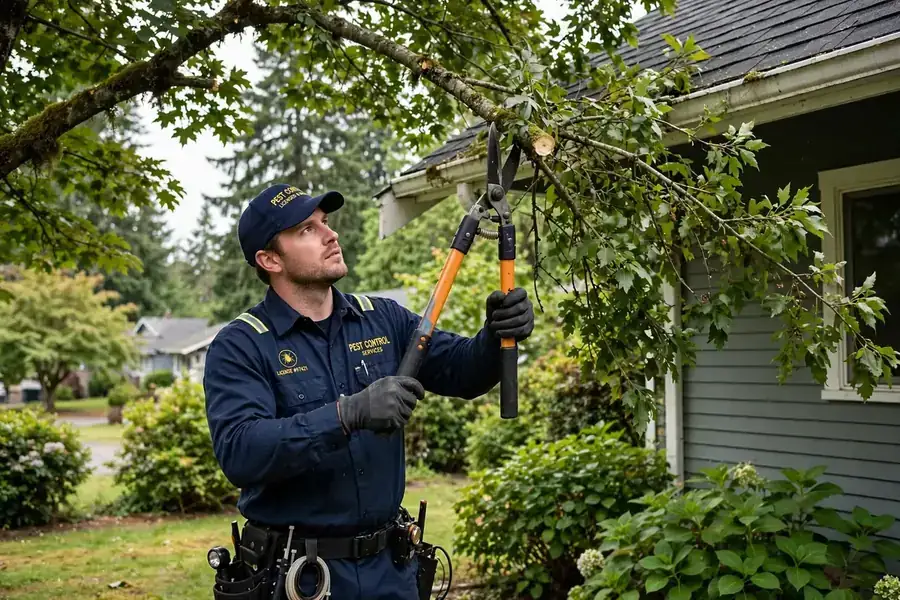
    Homes backing onto the Coast Range foothills get fascia, soffit, and roofline gap sealing, since roof rats arrive from above. We flag branches that need trimming so the work holds.

  • Fall exclusion before the rains

    We schedule most Philomath exclusion work before the first sustained fall rains, when forest and river rodents push indoors. Homes sealed by October see dramatically fewer winter invasions.

Landmarks We Navigate By in Philomath

These are the places our technicians use to orient service routes around Philomath — and the reason each one matters for rodent work.

  • Marys River

    The river corridor carries Norway rats between riverside yards, so we treat nearby properties as a connected system rather than isolated homes.

  • Marys River Park

    The park's riparian cover feeds rodent pressure into adjacent neighborhoods, which is why homes nearby get river-grade screening on every visit.

  • Benton County Historical Museum

    Housed in the 1867 Philomath College building, this landmark reminds us how the historic core's century-old structures need careful, gap-by-gap exclusion.

  • Philomath Community Library

    We route commercial and residential jobs around this civic anchor on Main Street, where older buildings demand different sealing strategies than newer subdivisions.

  • Philomath City Park

    Parks concentrate ground-level activity; we set perimeter stations on properties bordering public green space to intercept rodents before they reach buildings.

  • Highway 20/34 corridor

    This highway spine splits the town's housing ages — older lots to one side, newer subdivisions to the other — which changes the inspection checklist for each job.

Neighborhoods We Serve in Philomath

From historic streets to newer subdivisions, every part of Philomath gets the same inspection-first approach — adjusted for the housing around it.

  • Millpond Crossing — newer builds backing onto green space
  • Southwood Park — established 1980s homes in the south end
  • Neabeack Hill — hilltop subdivision with treeline access
  • Downtown along Main Street — timber-era homes and storefronts

Recent Results in Philomath

  • Roof Rats Out of a Footslope Attic

    Before

    A hillside homeowner heard nightly scratching above the bedrooms and found droppings in the attic hatch area.

    After

    We trapped the attic population over two visits, sealed fascia and soffit gaps, and the house has been quiet for three seasons.

  • Ranch Home Crawl Space Cleared

    Before

    A 1970s ranch had torn vapor barrier and droppings throughout the crawl space, with rodents chewing duct insulation.

    After

    We cleared the colony, replaced the vapor barrier, screened every vent, and the ducts have stayed intact since.

  • River-Area Yard Pressure Stopped

    Before

    A riverside property had burrow openings along the fence and rats entering through a low crawl space vent.

    After

    Burrow work plus vent screening and a perimeter trapping line ended the intrusion; follow-up visits found no new activity.

How Seasons Affect Rodent Control in Philomath

  • Spring

    Winter colonies disperse as temperatures rise, and juveniles from spring litters start exploring. We use spring visits to repair winter damage to seals and screens before breeding peaks.

  • Summer

    Dry months push rodents toward irrigated yards and pet water sources. Summer jobs often trace back to an outdoor harborage — woodpile, shed, or riverbank — that needs attention alongside the house.

  • Fall

    The first sustained rains drive forest-edge and riverbank rodents indoors in large numbers. Fall is Philomath's peak invasion season and the most important window for exclusion work.

  • Winter

    Established indoor colonies breed through winter in warm attics and crawl spaces. Winter calls focus on trapping active populations and finding the entries the fall wave used.

Nearby Areas Served by Corvallis Rodent Shield

Questions to Ask Before Hiring Rodent Control in Philomath

Not every pest company works the same way. Ask these before you sign anything — in Philomath or anywhere in Benton County.

  • Will you inspect before quoting?

    A real inspection finds entry points, species, and extent before any price is given. If a company quotes sight-unseen, they are guessing — and you'll pay for their guess.

  • Do you seal entry points or just set traps?

    Trapping without exclusion is a subscription to new rodents. In Philomath's forest-edge environment, sealing is what makes the job permanent.

  • How do you handle the outbuildings?

    Sheds, barns, and woodpiles feed indoor pressure here. Your provider should have a plan for the whole property, not just the house.

  • What products do you use around pets?

    We use tamper-resistant stations and EPA-registered products placed where children and pets can't reach. Ask any company to explain their placement rules specifically.

  • What does follow-up look like?

    Trapping requires scheduled returns to clear and reset. Make sure follow-up visits are in the quote — otherwise you're paying extra every time they come back.

FAQs About Rodent Control in Philomath

Answers to common questions about rodent control in Philomath.

Still wondering? +14582640658

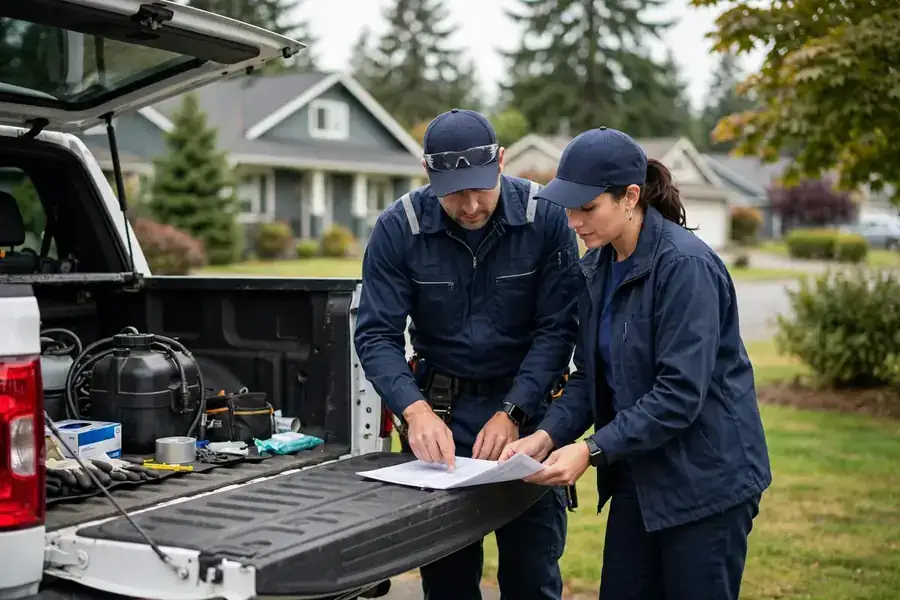
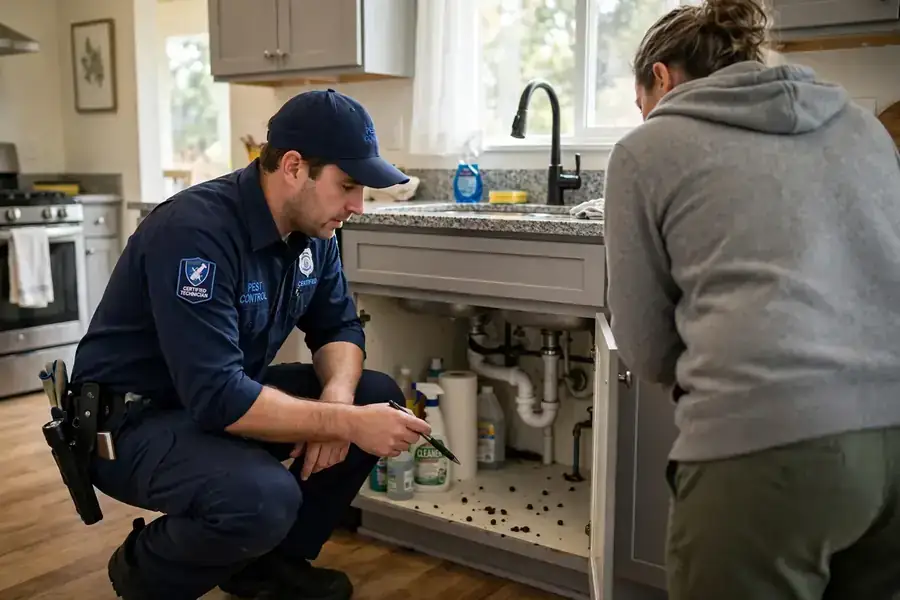
Technician answering homeowner questions during a Philomath rodent inspection

Get Rodent Control in Philomath, OR Today

From the Marys River corridor to the Coast Range foothills, we handle Philomath's rodent pressure at its source. Call (458) 264-0658 for a free inspection and a plan that keeps them out.

Get in Touch with Us

We invite you to reach out for any rodent control needs. Our team is available Monday through Friday, with quick response times to your inquiries.